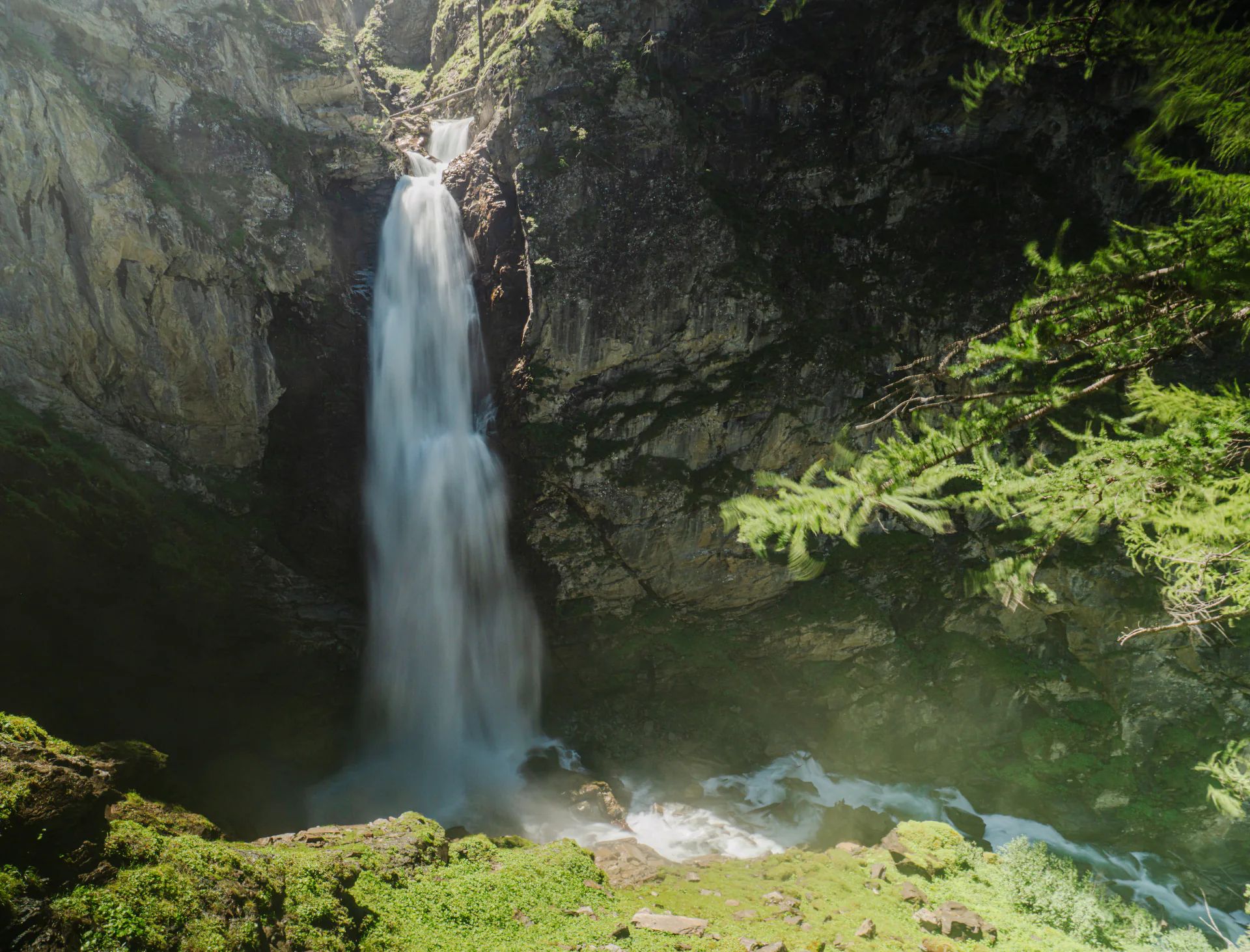
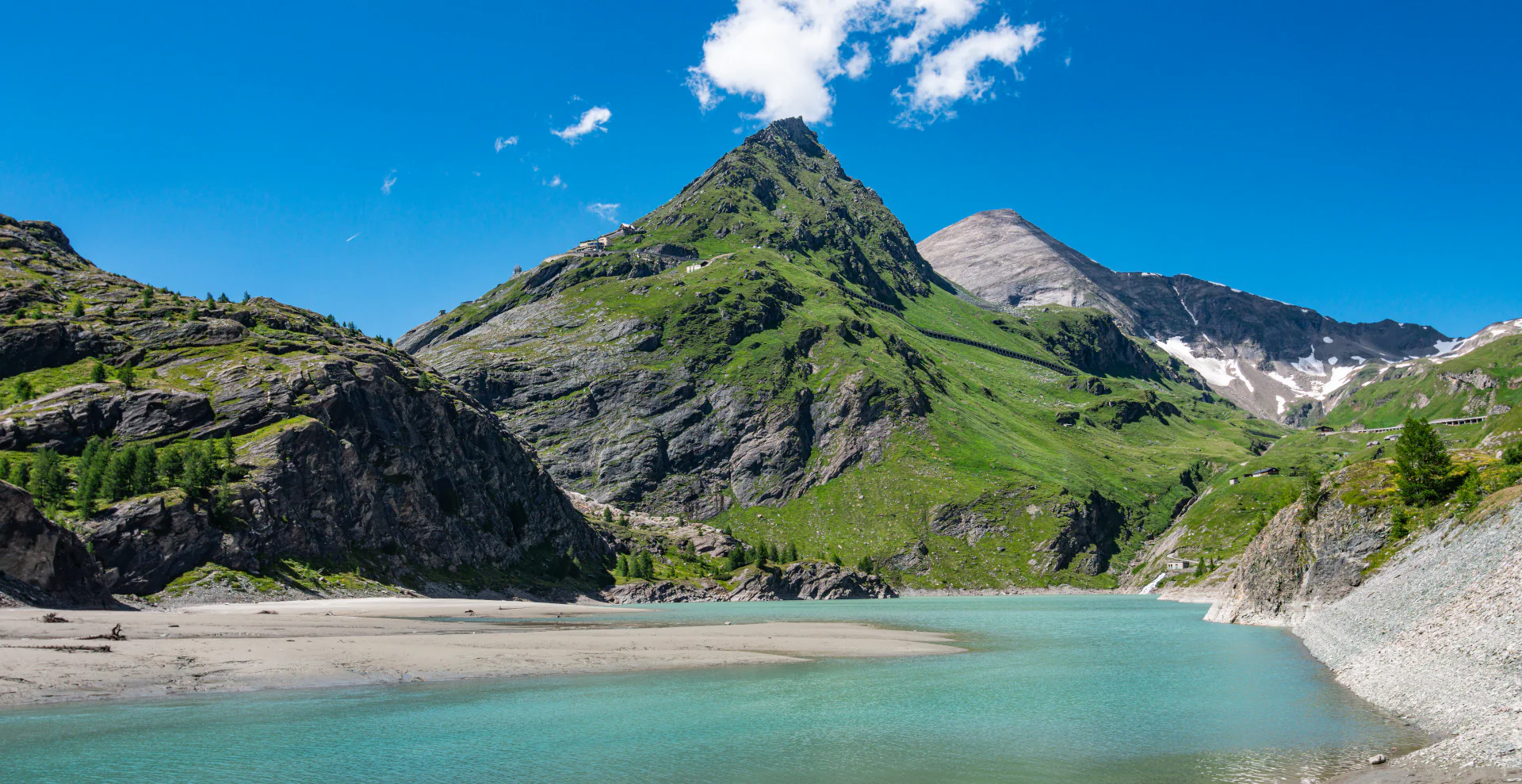
 © grossglockner.at/Königshofer
 © grossglockner.at
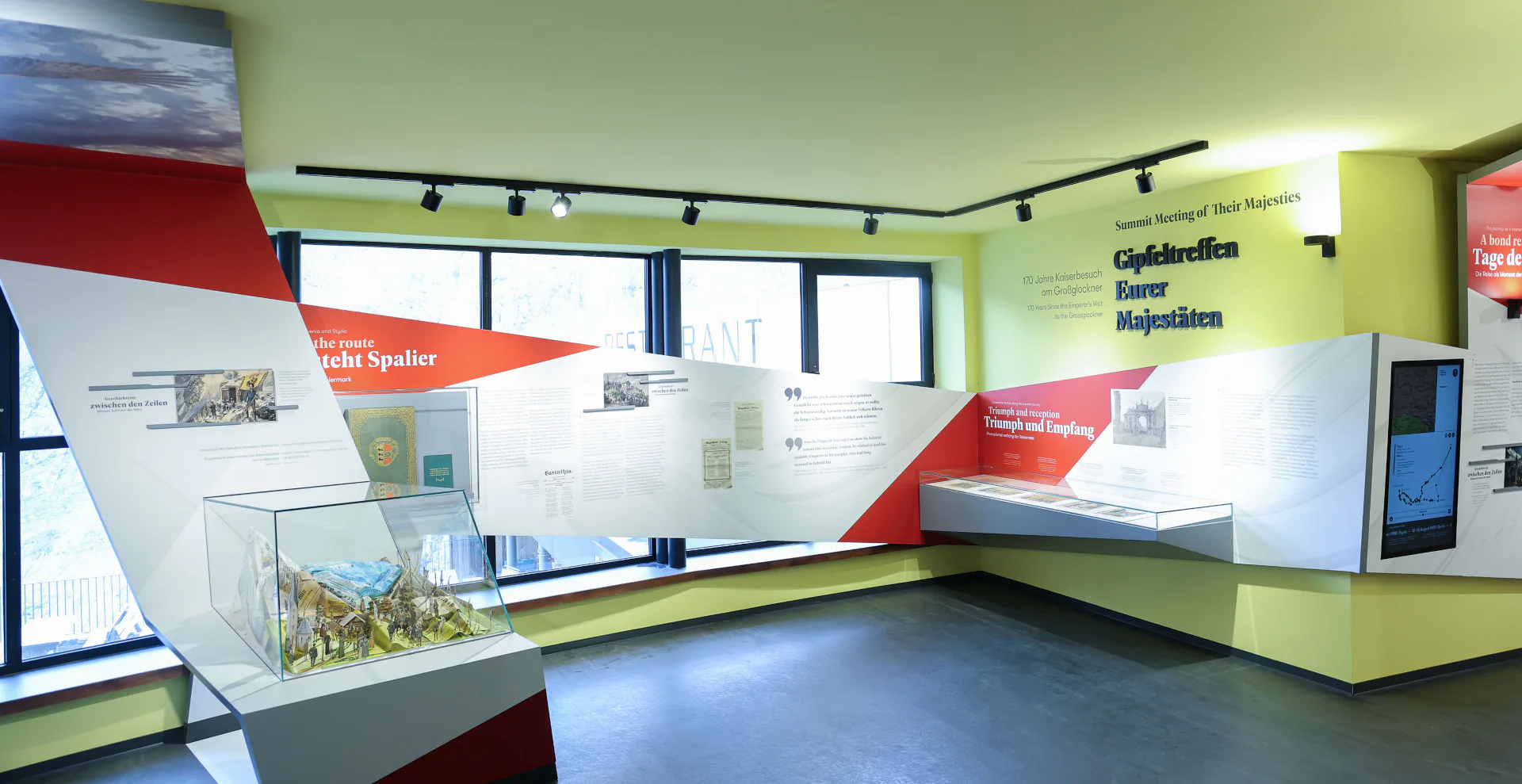
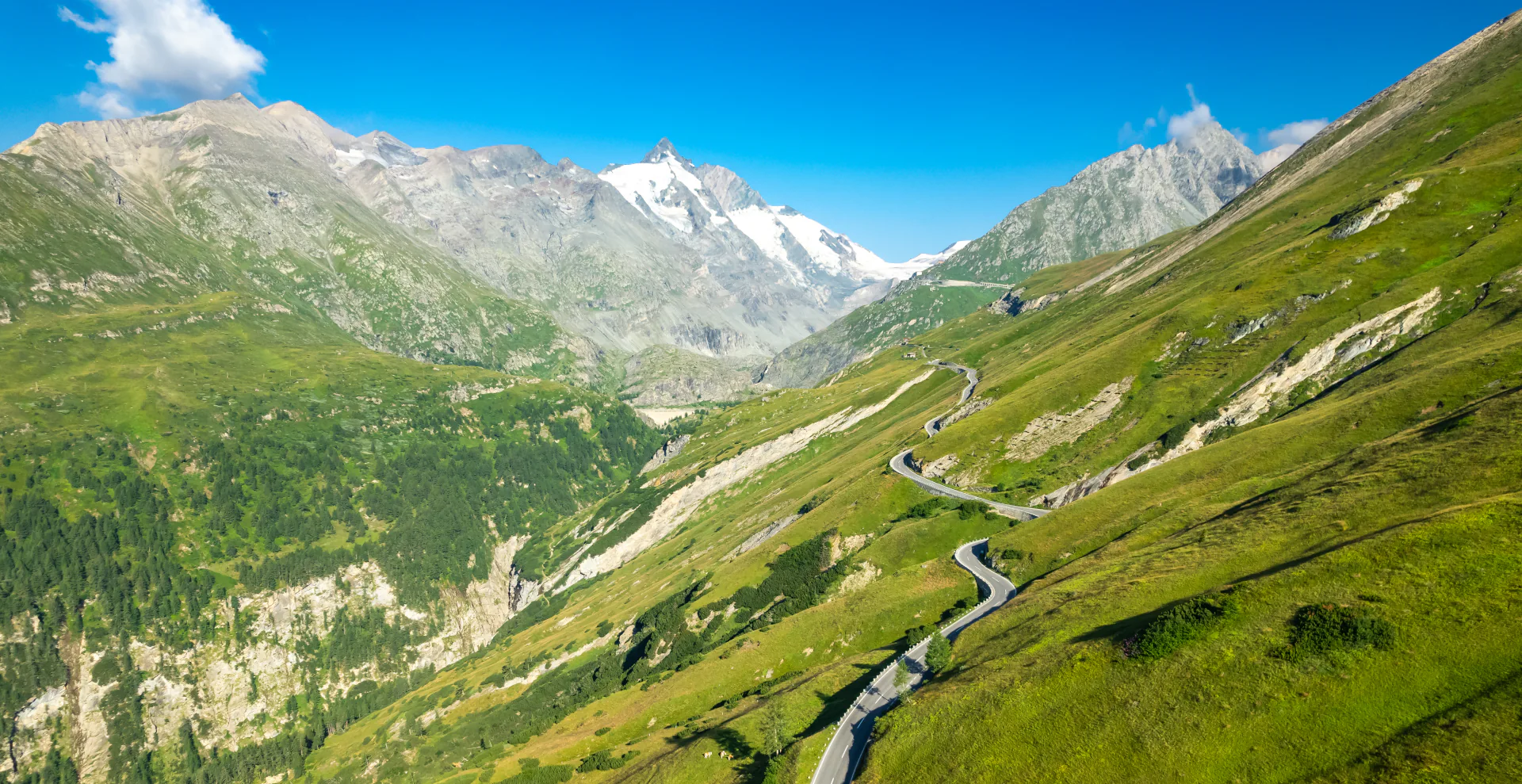
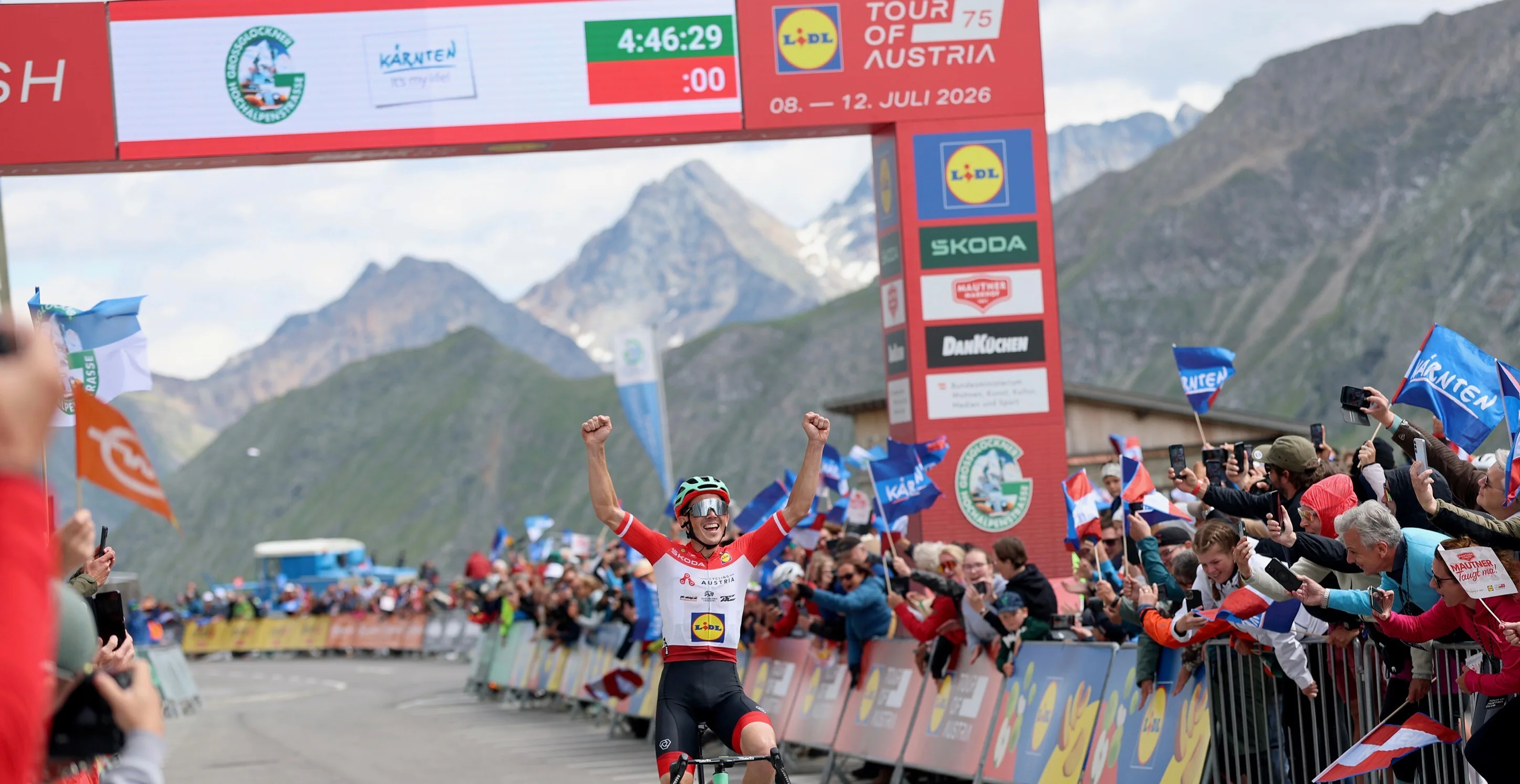
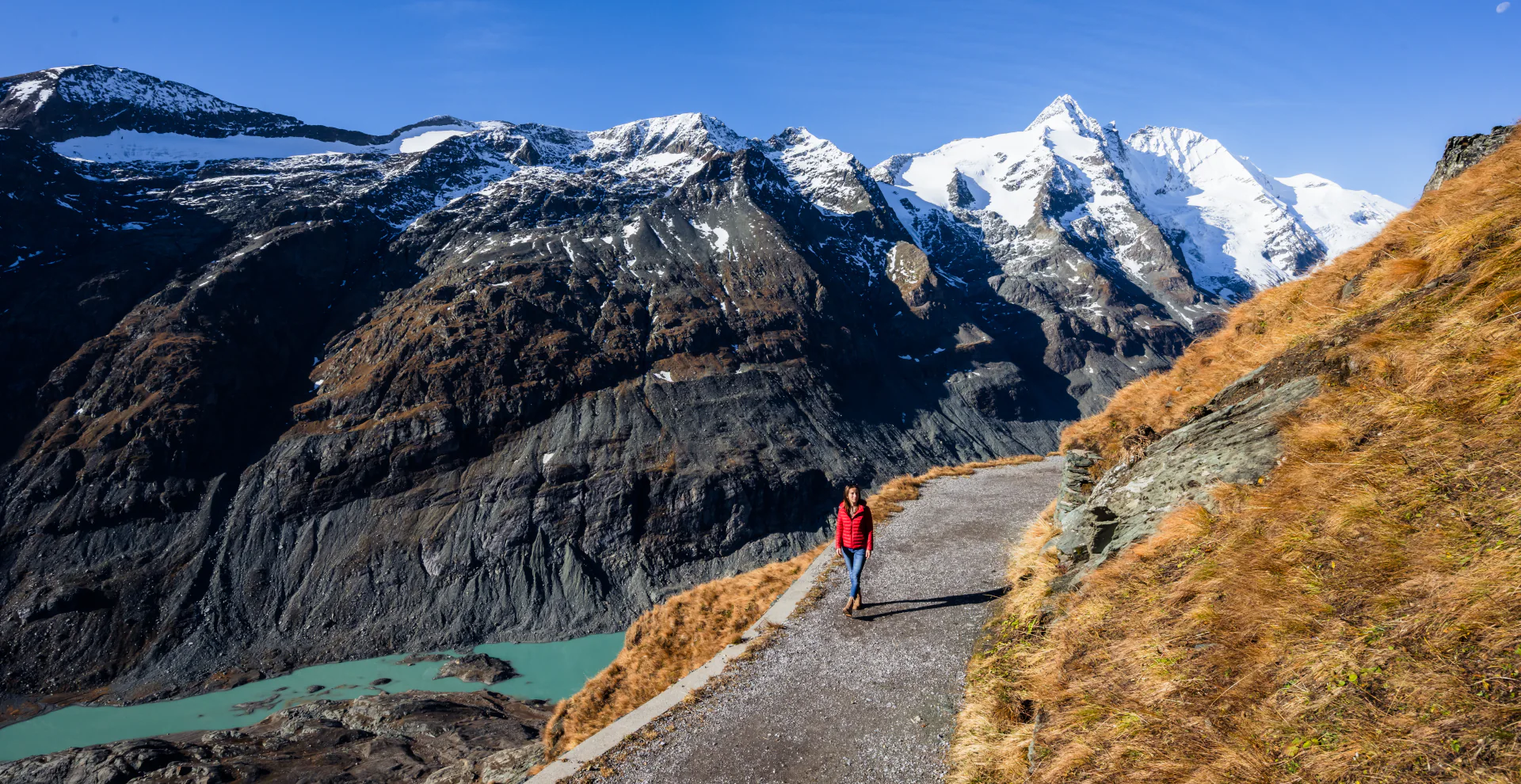
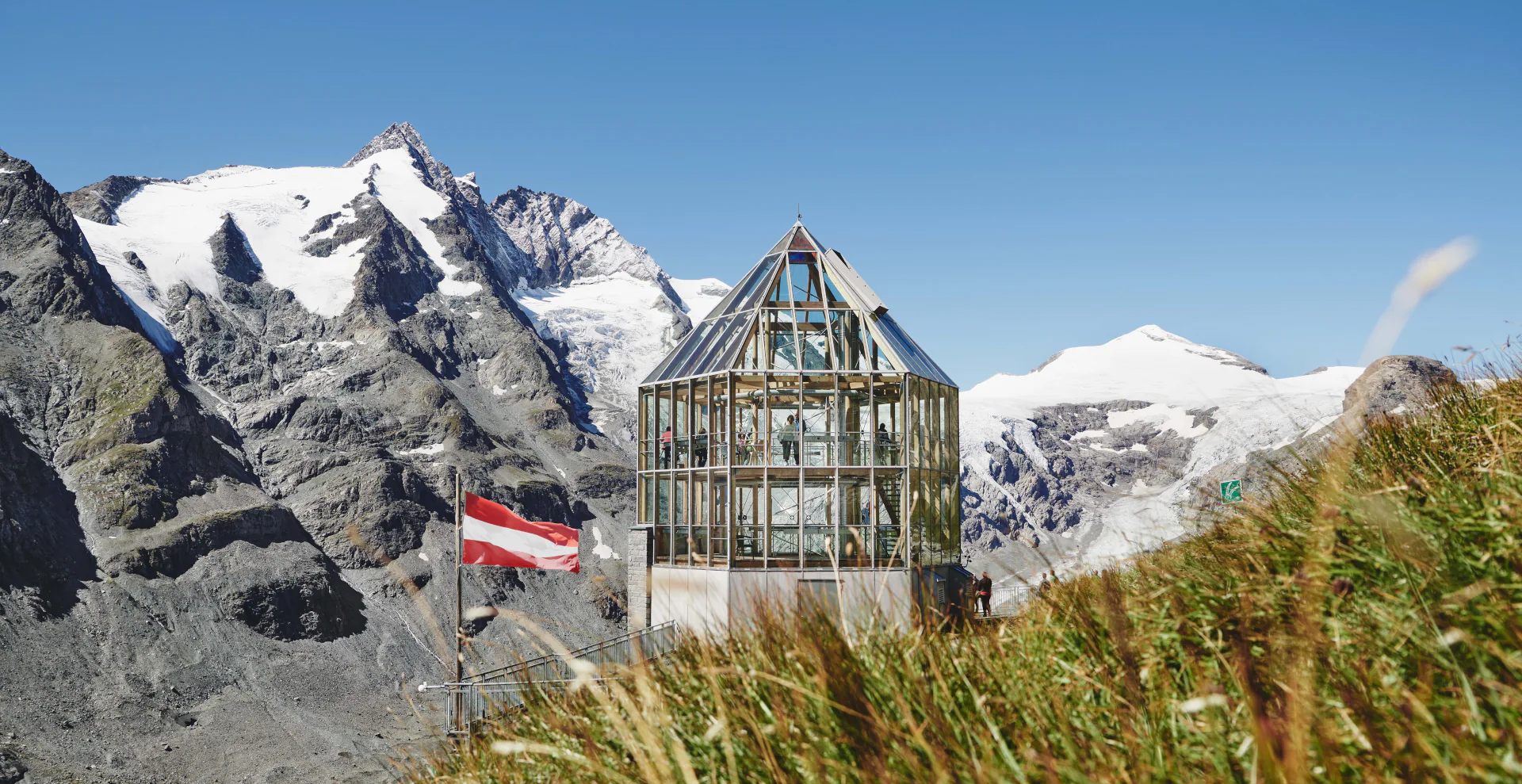
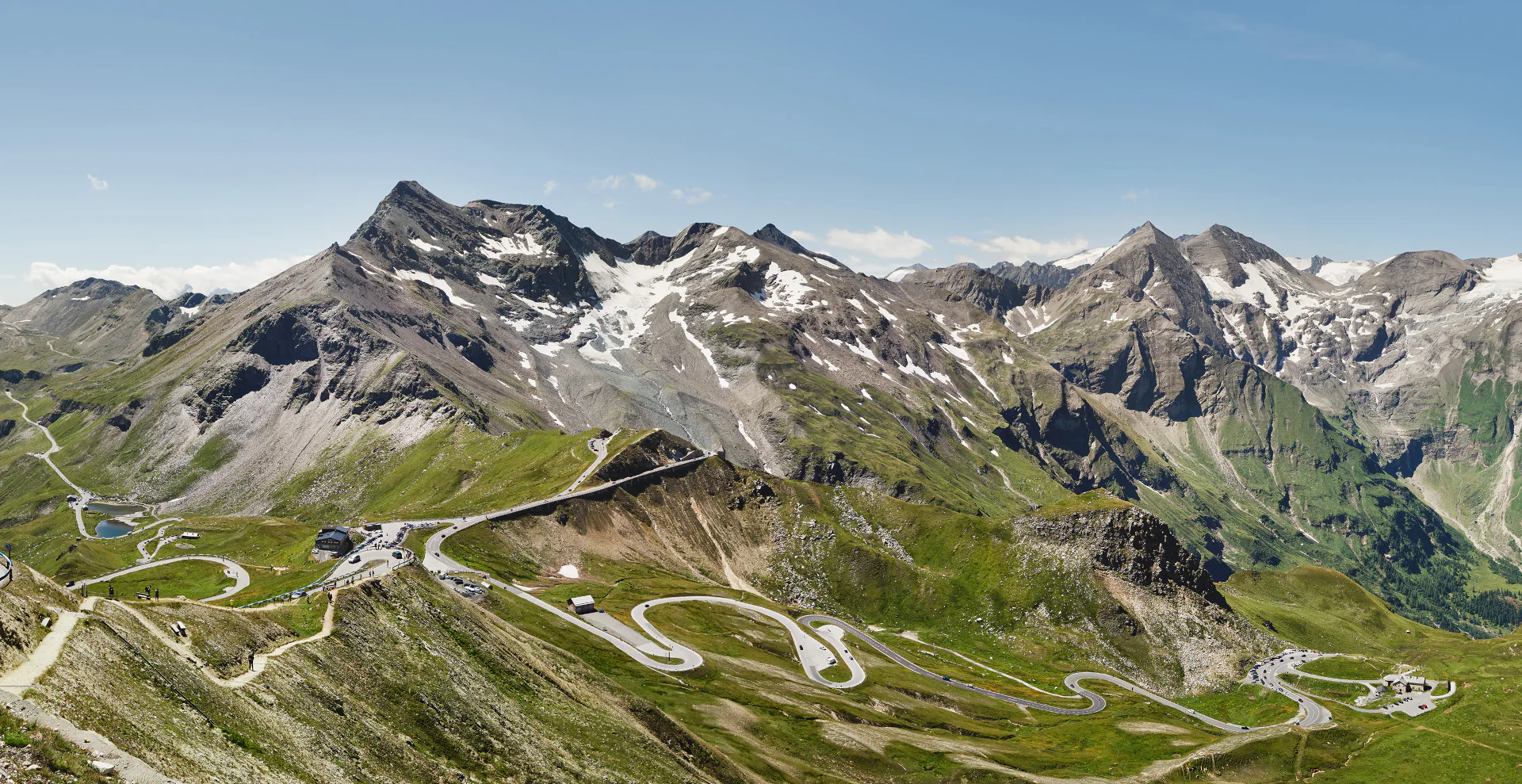
The Grossglockner High Alpine Road begins right on the doorstep of the houses. The panoramic road spans over 48 kilometres and 36 hairpin bends between Carinthia and Salzburg – and it is also a huge, freely accessible open-air museum. Along the entire route there are a multitude of exhibitions, museums, nature trails and viewing platforms.
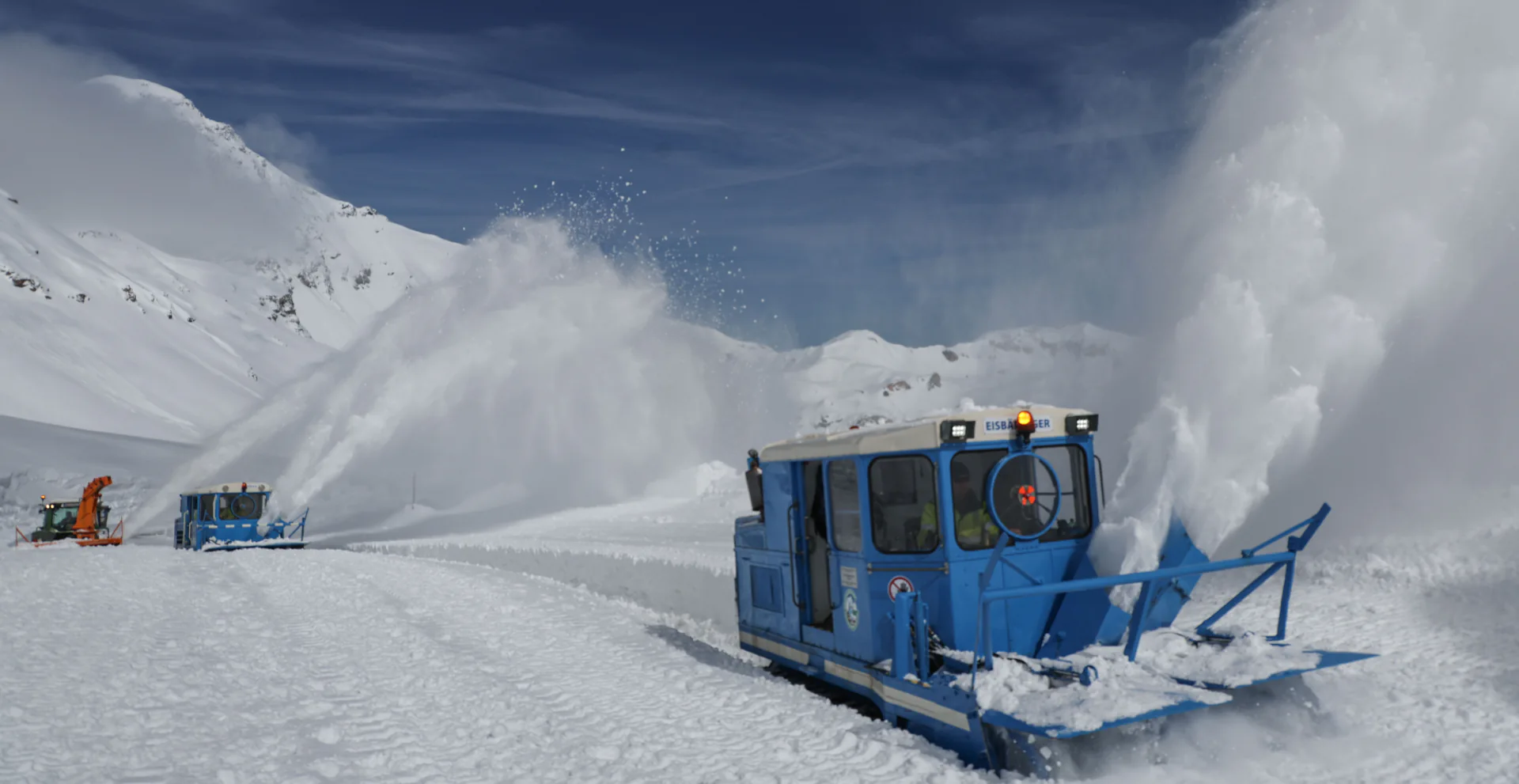
The special thing: All exhibitions, info pavilions and showrooms along the pass road are already included in the normal road ticket and can be visited completely without separate admission. Depending on what the group is interested in – whether pioneering road building history, alpine botany, Roman trade routes or simply unobstructed views – the journey can be designed with any number of intermediate stops. Along the route you will also repeatedly encounter the legendary blue-and-yellow Wallack rotary snowploughs: unique technical monuments to builder Franz Wallack, which are still regarded worldwide today as a masterpiece of snow clearing.
- No separate entrance fee: All showrooms, museums, pavilions and nature trails along the entire 48 kilometres are included in the road ticket.
- Right on the doorstep: No long journey – the pass route and its 36 hairpin bends start directly at the house.
- Wallack rotary snow plows: The world-famous, historic snow plows of road builder Franz Wallack can be seen as impressive technical monuments at stopping points and hairpin bends.
- Piffkar (1,620 m): “Fascination Mountain” permanent exhibition on alpine history and nature trail through the larch meadows.
- Hochmais (1,850 m): Info point on alpine vegetation zones and display boards on the transformation of the high alpine flora.
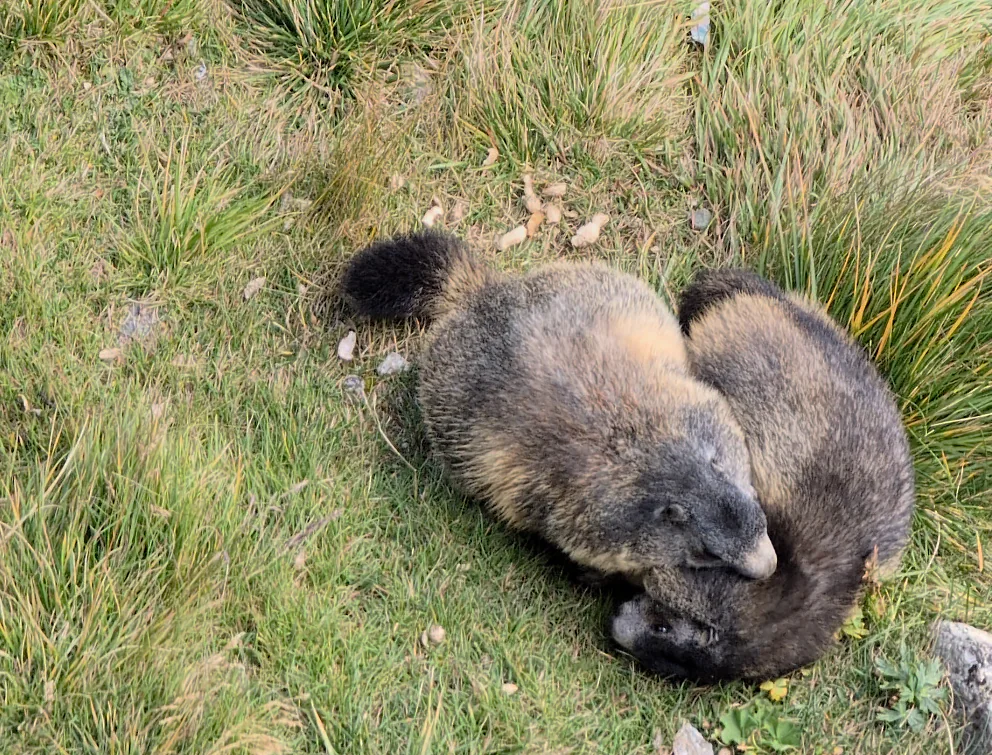
- Haus Alpine Naturschau (2,260 m): Natural history museum with the “Mountain Giants” exhibition, its own marmot cinema and botanical circular trail.
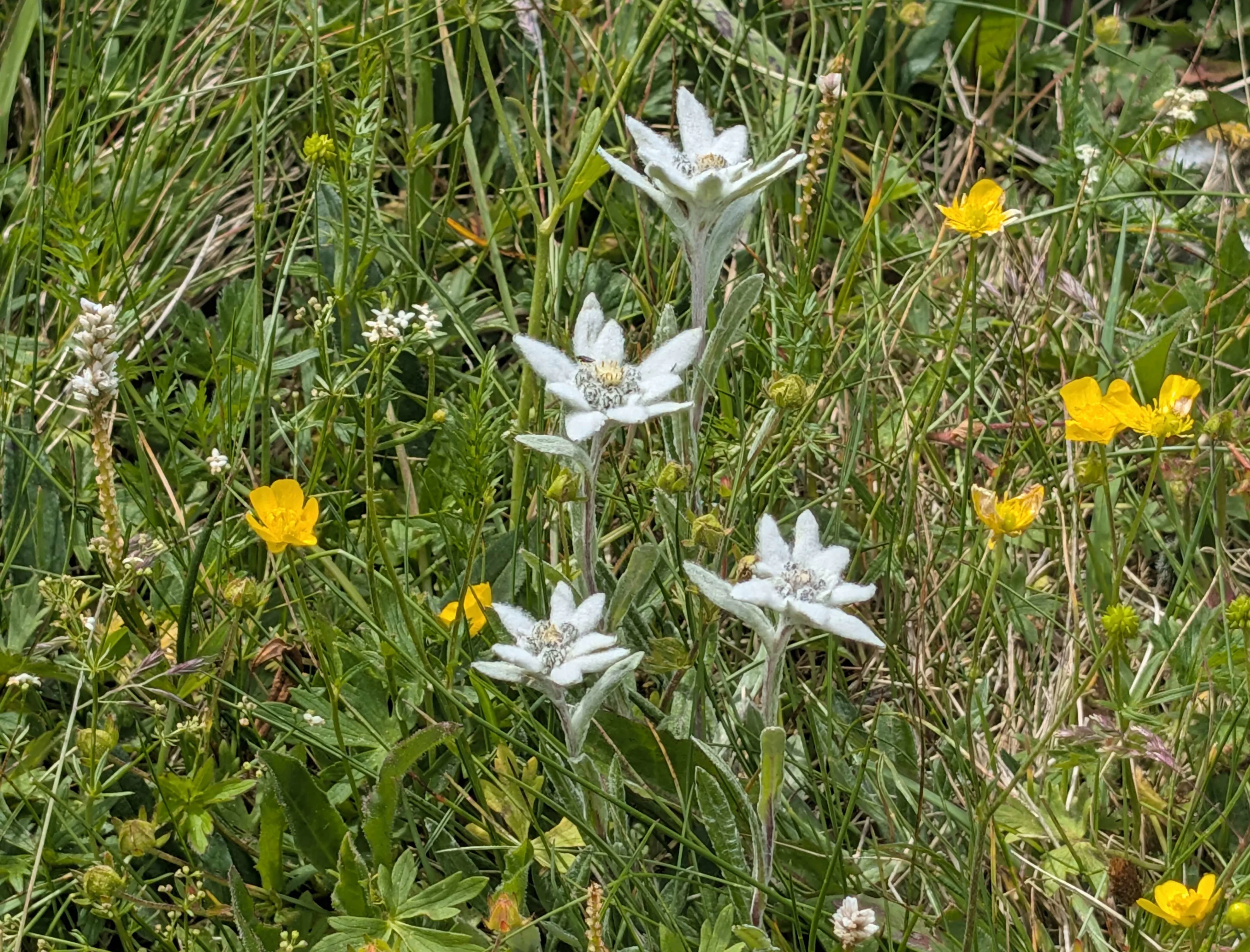
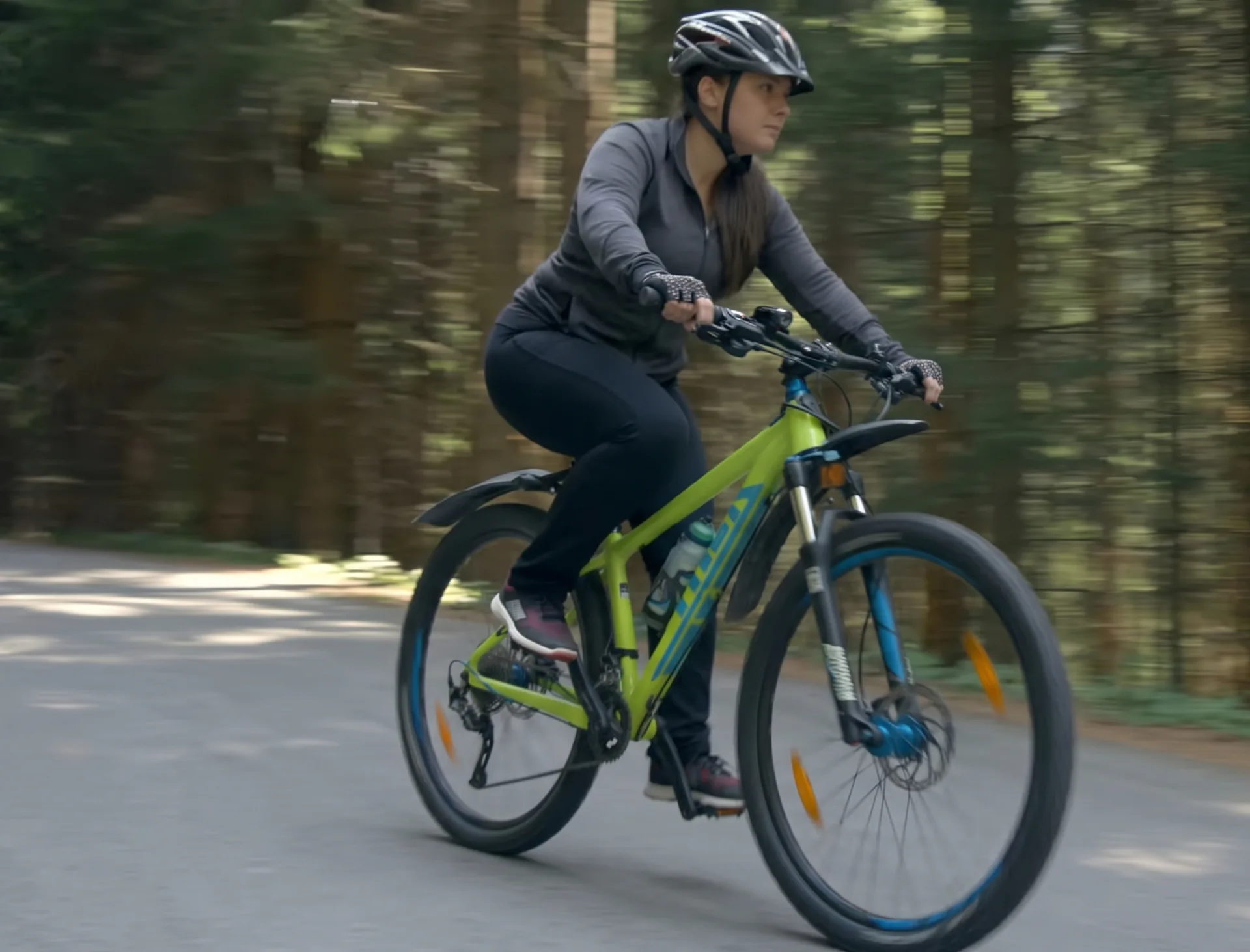
- Edelweiß-Spitze (2,571 m): Highest accessible point of the road with a 360-degree panoramic view of over 30 three-thousanders and its own Bikers Point.
- Fuscher Törl (2,428 m): Monumental memorial by architect Clemens Holzmeister with the first unobstructed north-facing view of the Glockner massif.
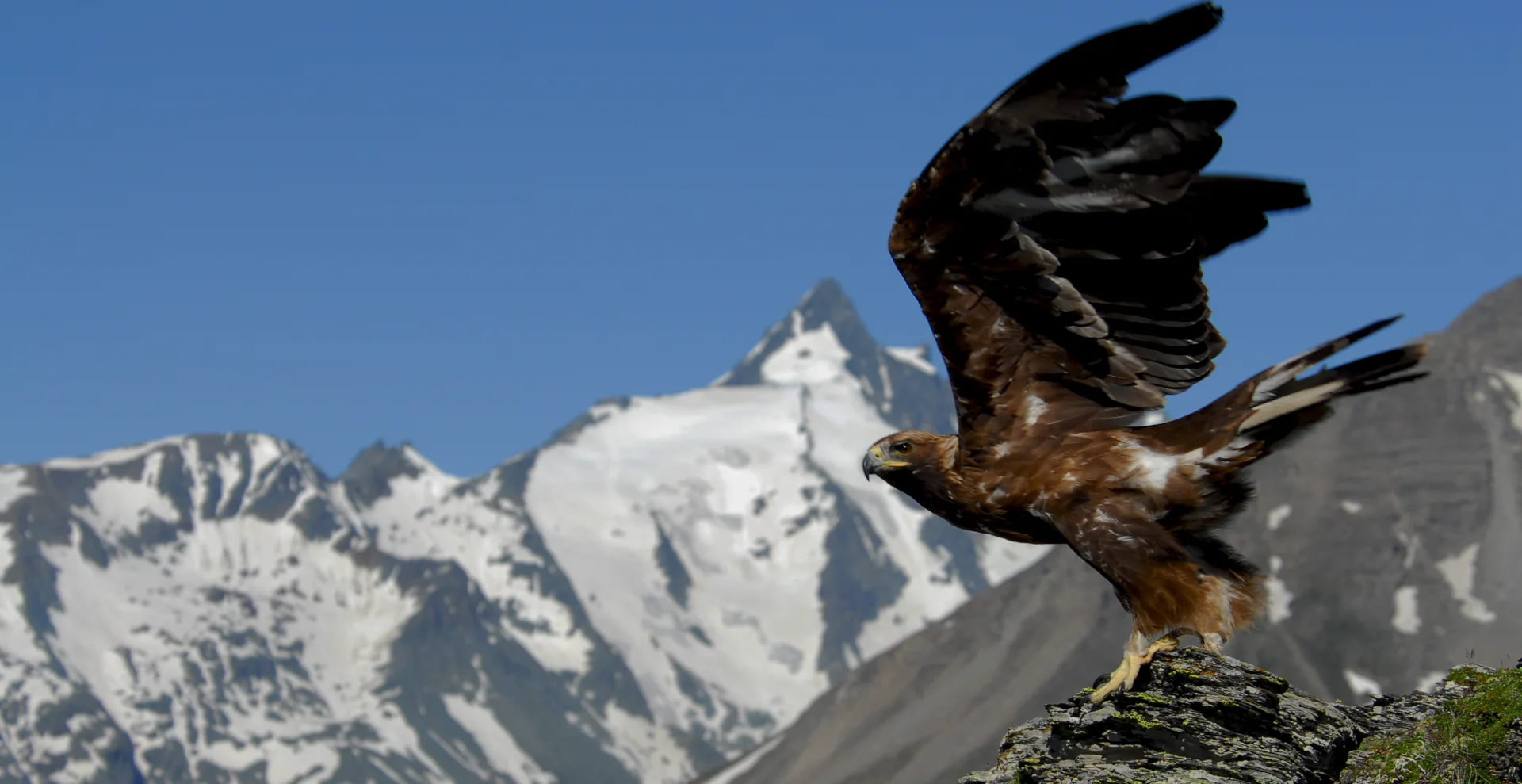
- Bird of Prey Info Point (2,320 m): Observation point and display boards about golden eagles, griffon vultures and bearded vultures.
- Fuscher Lacke (2,262 m): Historic road mender’s house with the original exhibition “Building the Road” and circular walk around the mountain lake.
- Hochtor Pass (2,504 m): Highest apex at the provincial border with the “Pass Sanctuary Hochtor” exhibition (Celtic-Roman excavations) and the Celtic hiking trail.
- Schöneck (1,953 m): “Glocknerwiesen” botanical show with an educational trail on alpine plant diversity and a butterfly station.
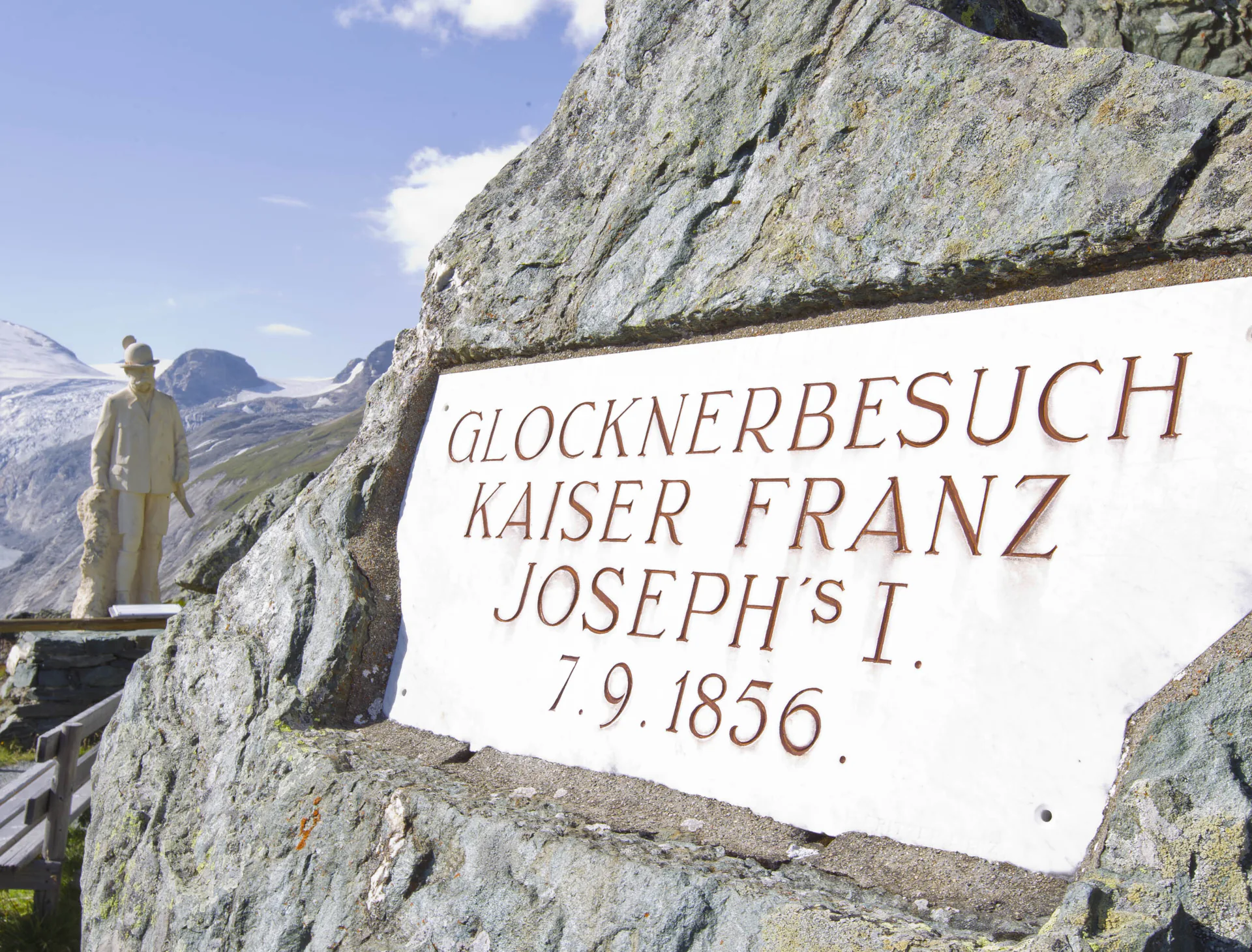
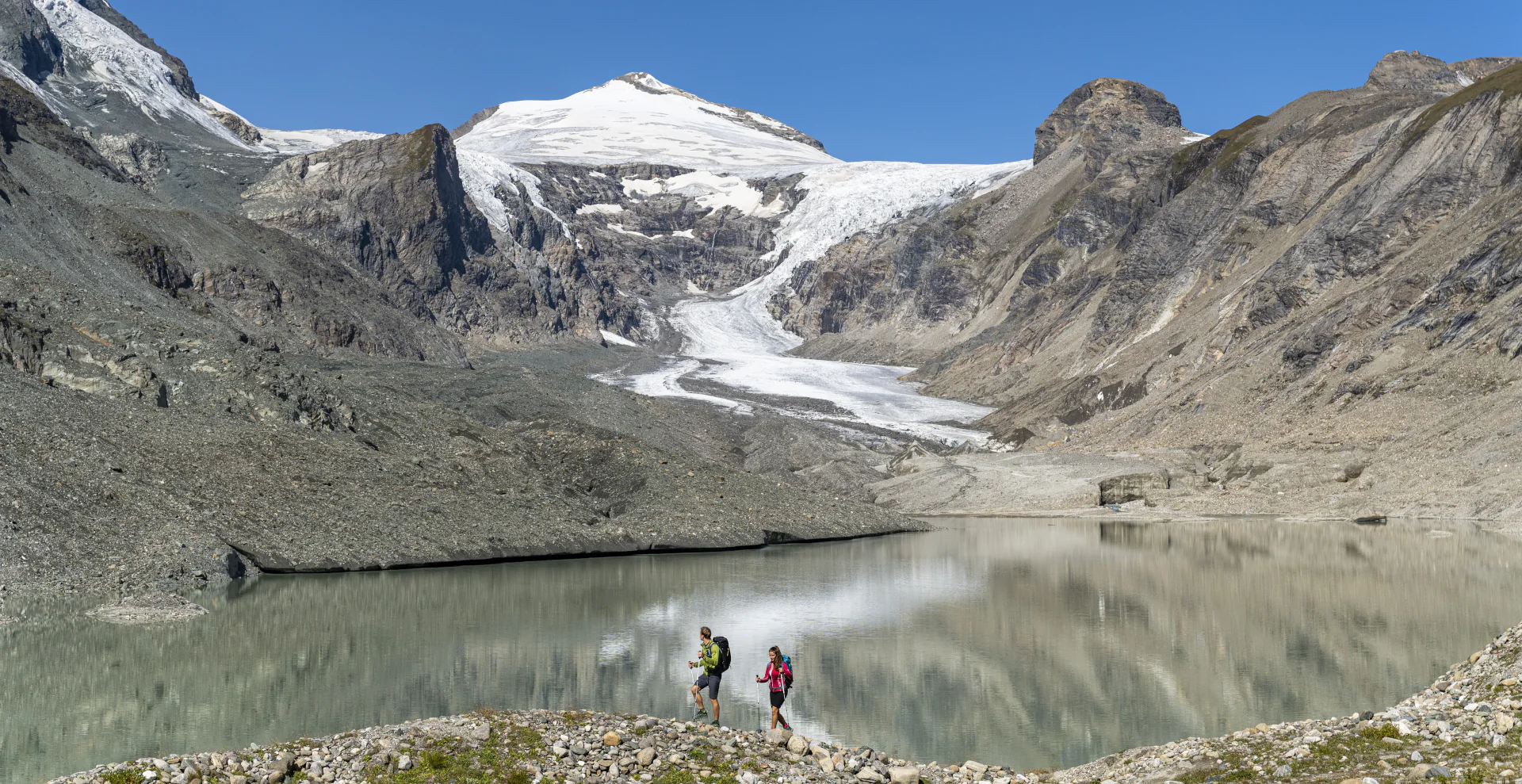
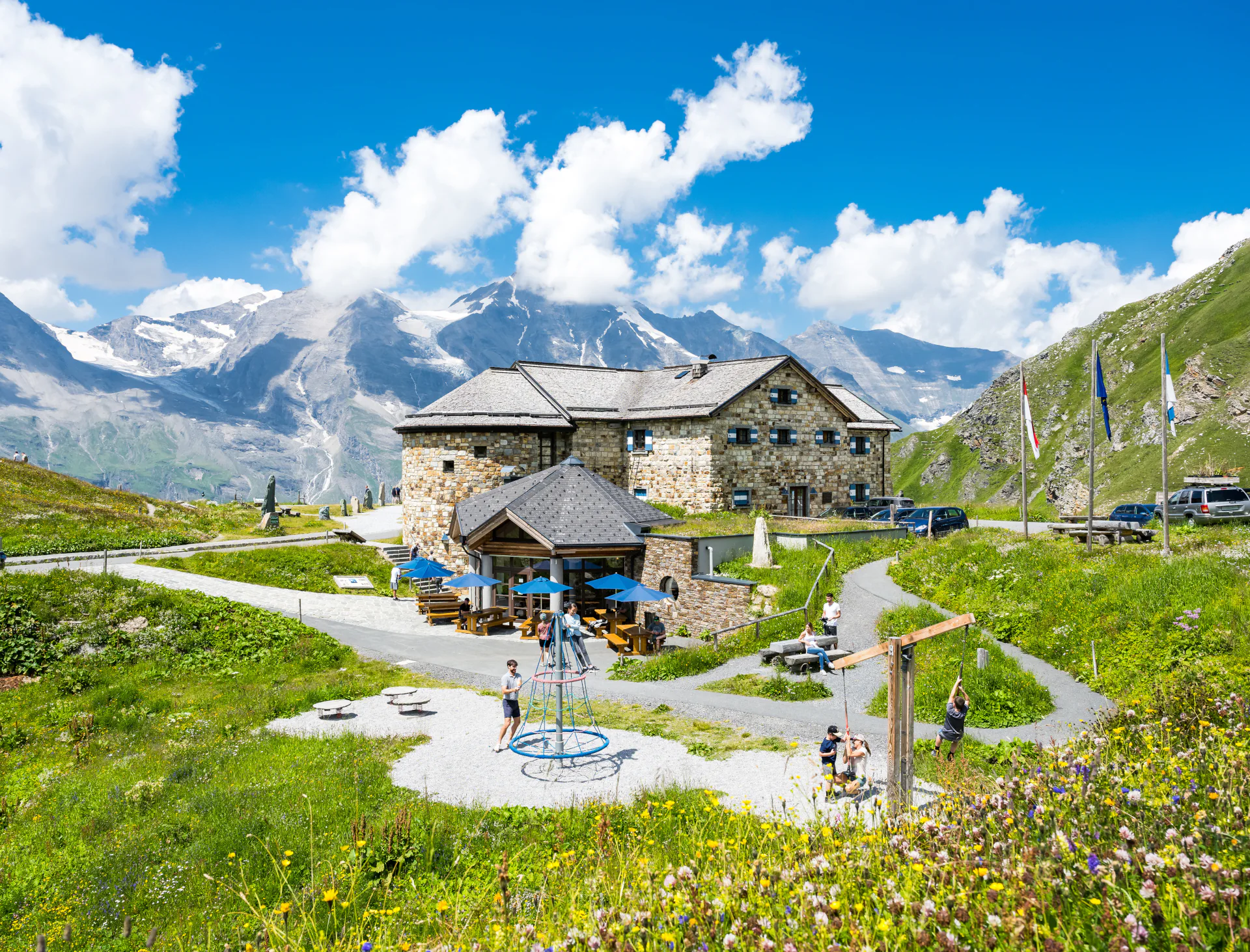
- Kaiser-Franz-Josefs-Höhe (2,369 m): Large visitor centre with exhibitions on car and motorcycle history, Glockner glaciers, Emperor Sisi history and the Wilhelm-Swarovski observation tower.
 © Niklas Brandstätter
 © Ijob Brandstätter
The world-famous image from
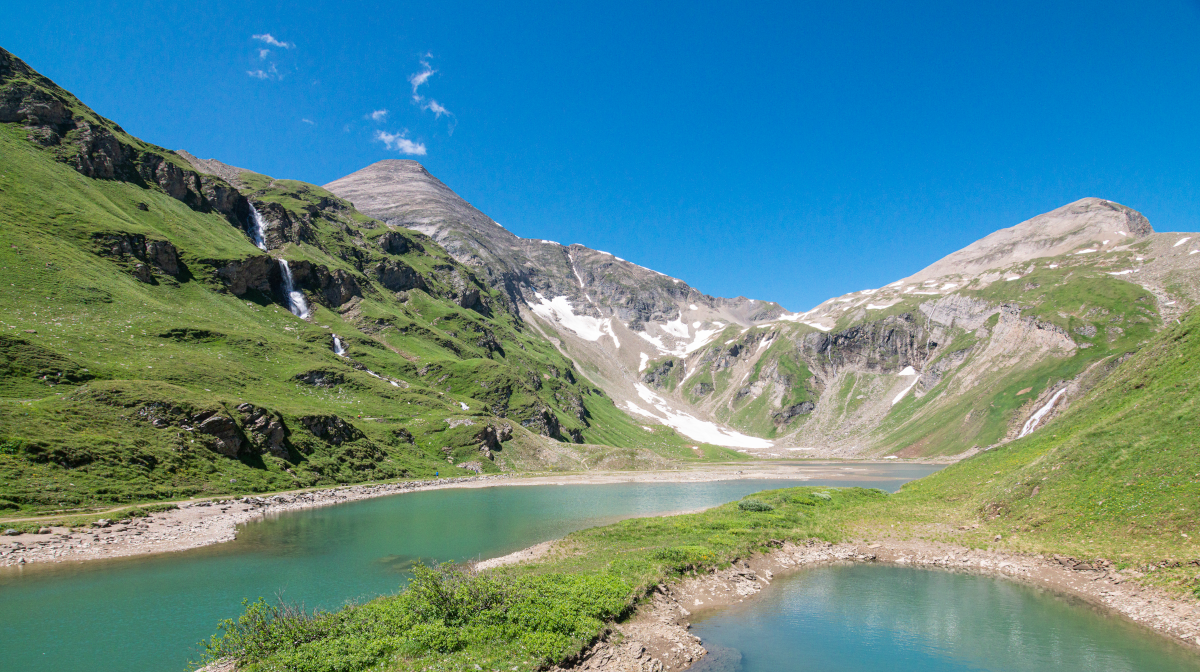
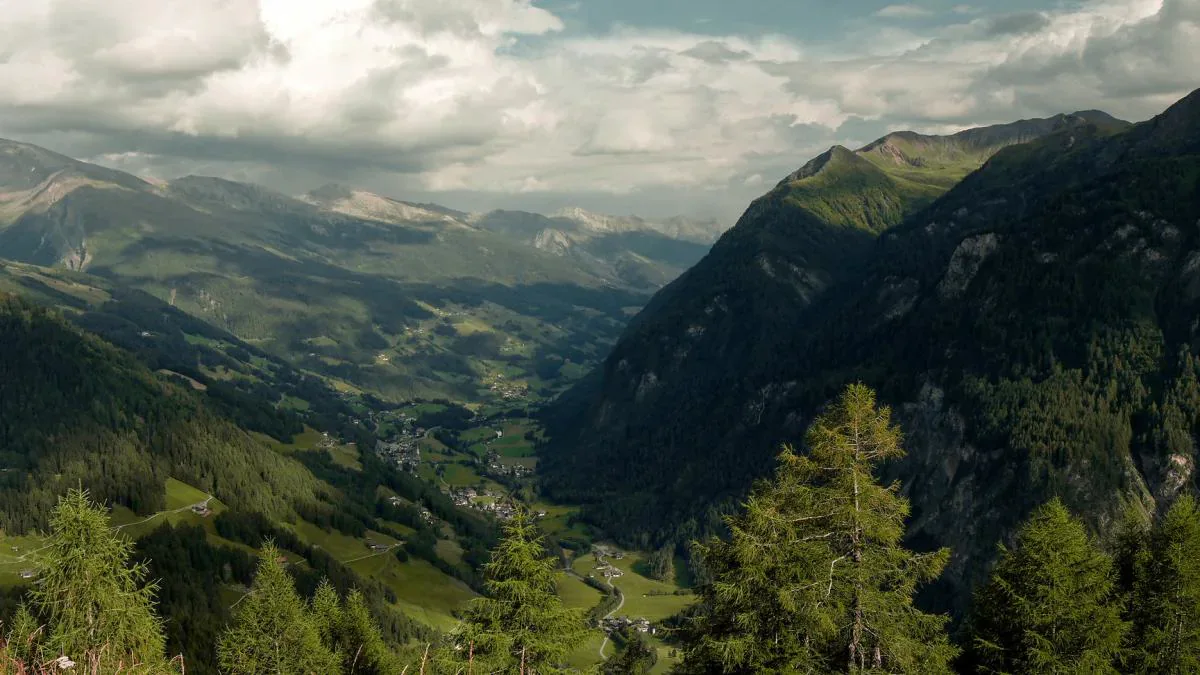
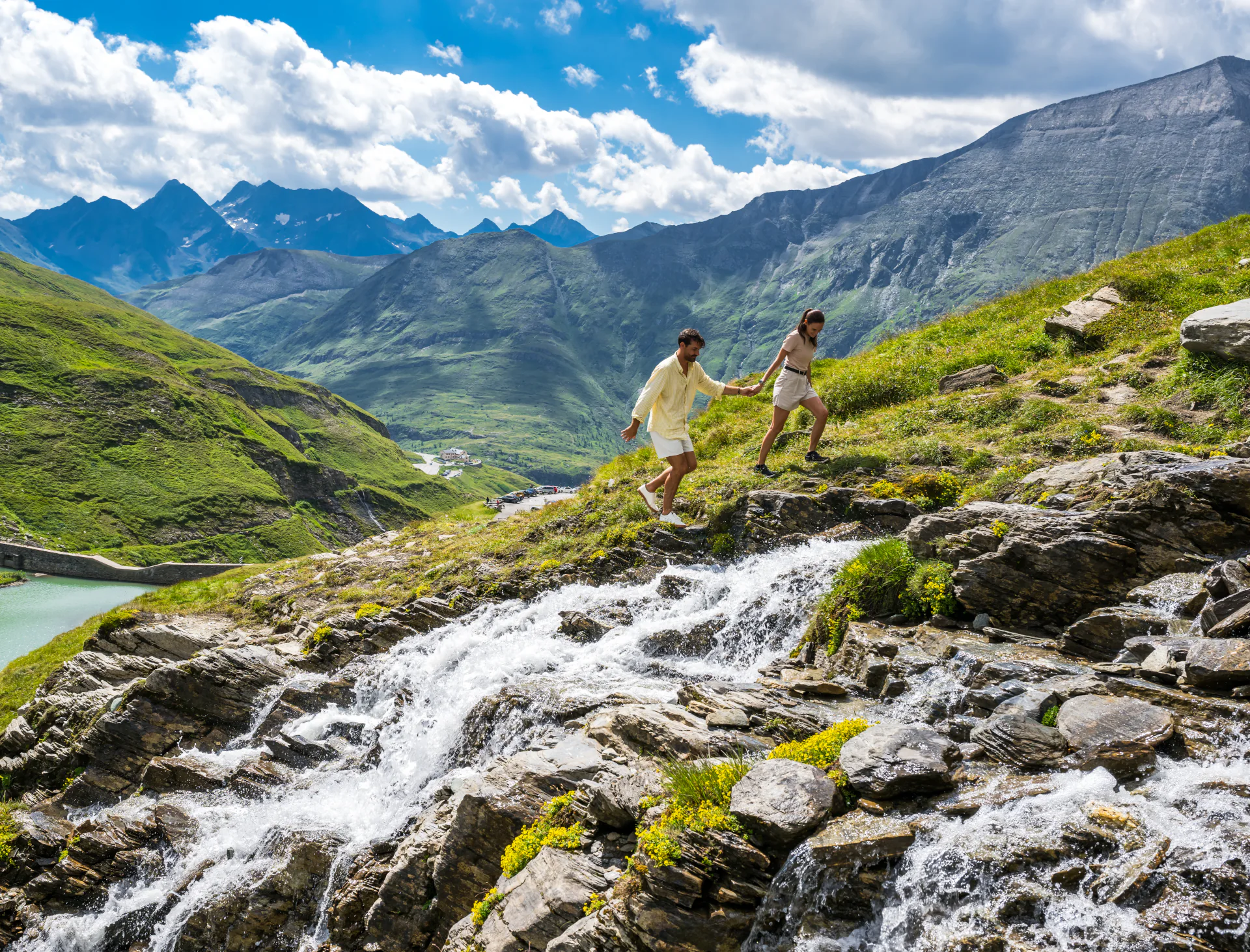
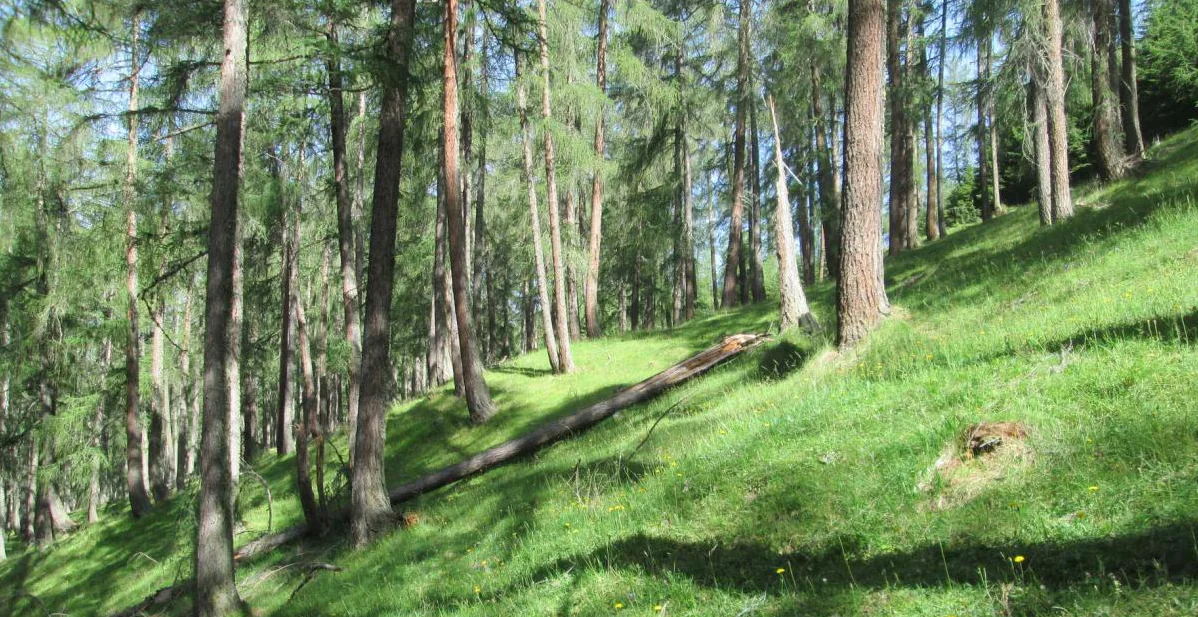
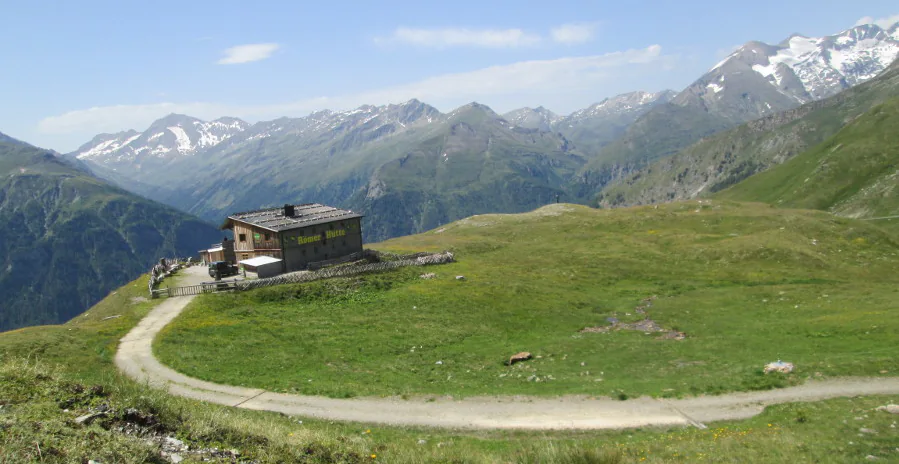
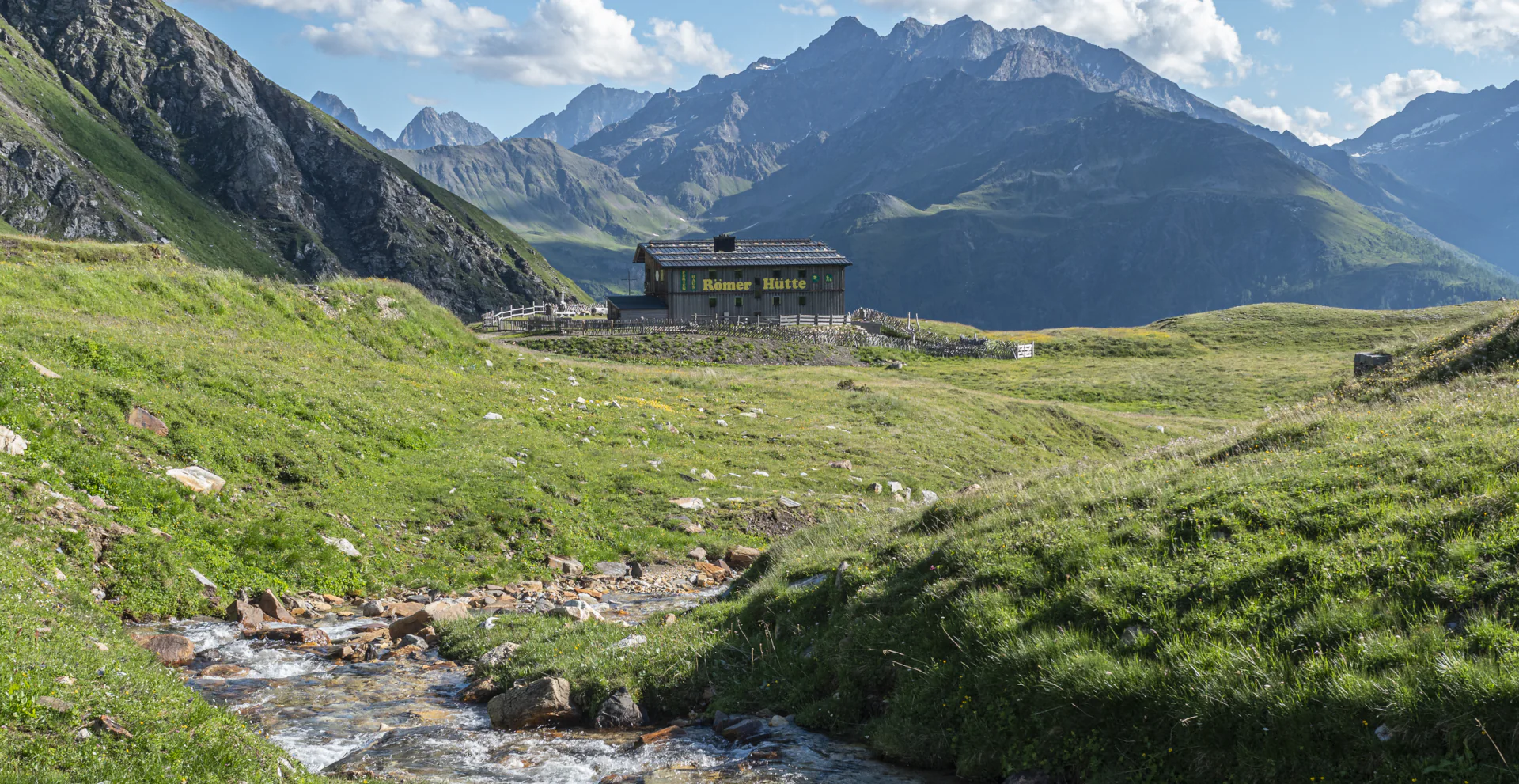
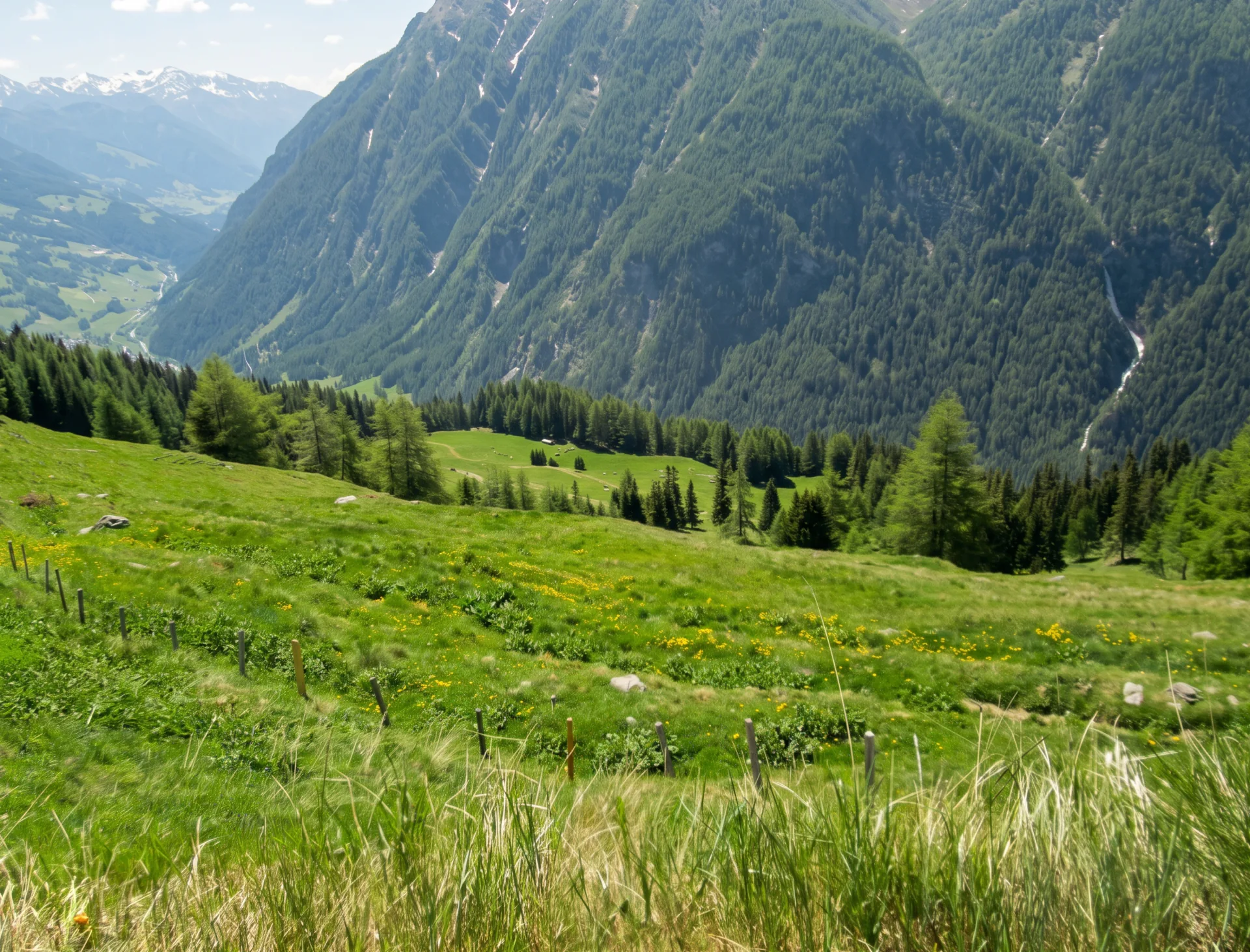
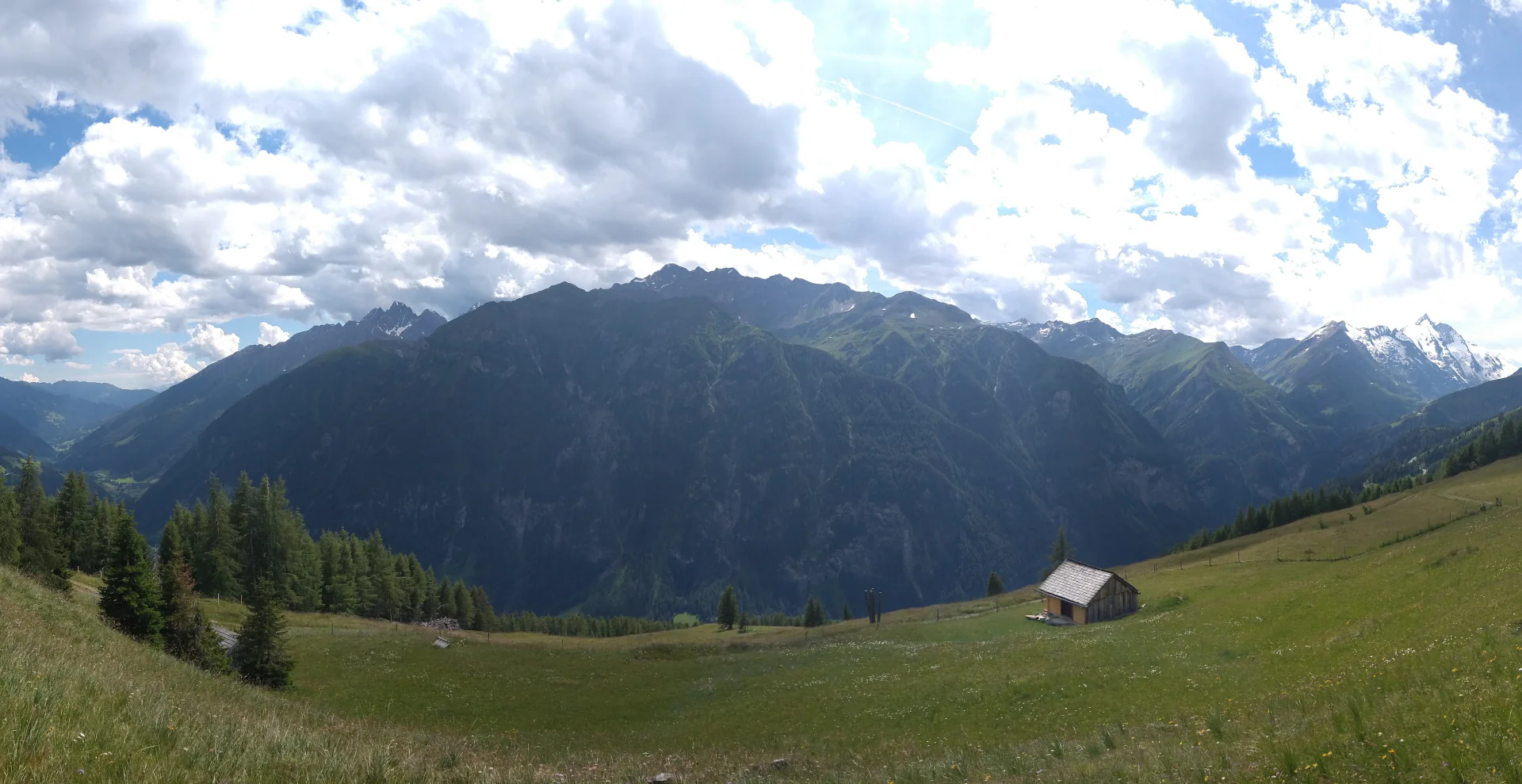
Sound of Music – lush green slopes, the bright ringing of cowbells and snow-capped peaks on the horizon – still shapes the idea of the perfect mountain summer today. Around the Anderles-Alm (1,680 m) and the Römerhütte (2,200 m), this backdrop is a living reality: Wide, open alpine meadows stretch directly in front of the terraces and offer groups and families plenty of space in the green.
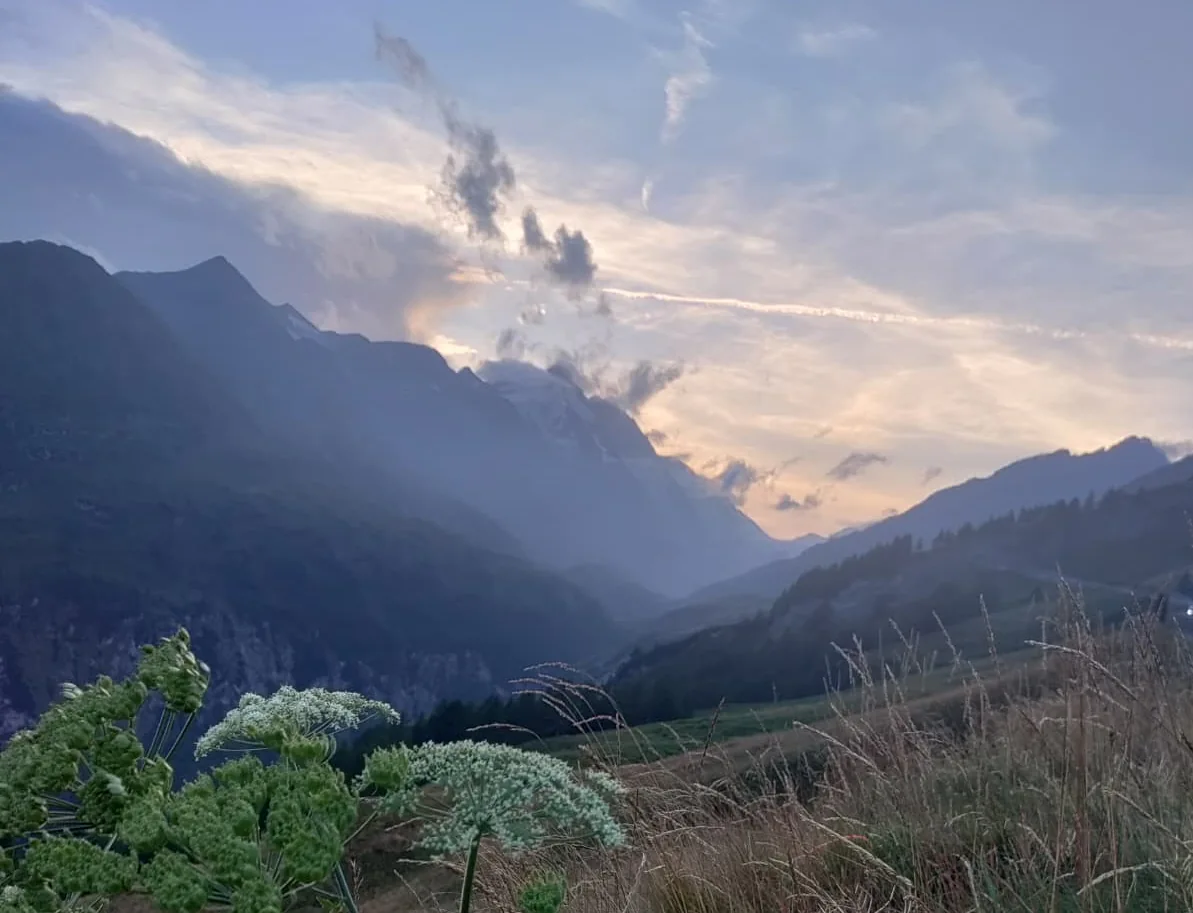
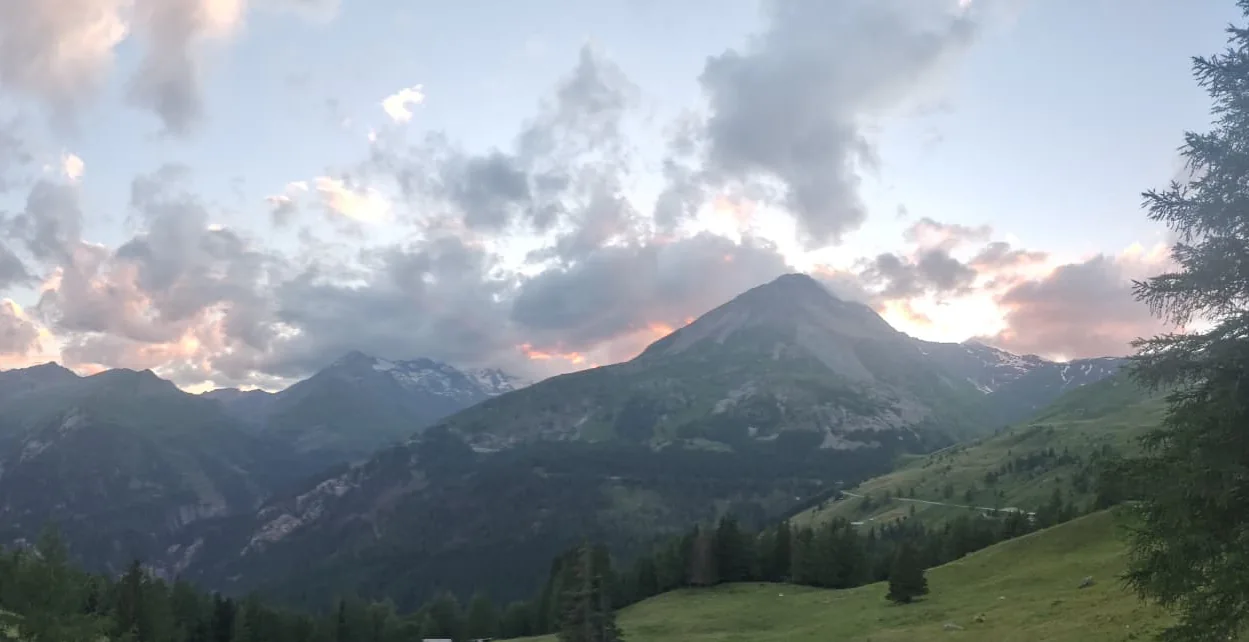
The Grossglockner High Alpine Road runs at a distance of about 200 to 300 metres. This means a comfortable, direct approach without tedious gravel roads, but of course also brings the life of a famous pass road with it during the day in the high season. The advantage on site: The group is shielded by its own meadow area around the houses, and as soon as excursion traffic subsides in the late afternoon, pure high mountain peace returns.
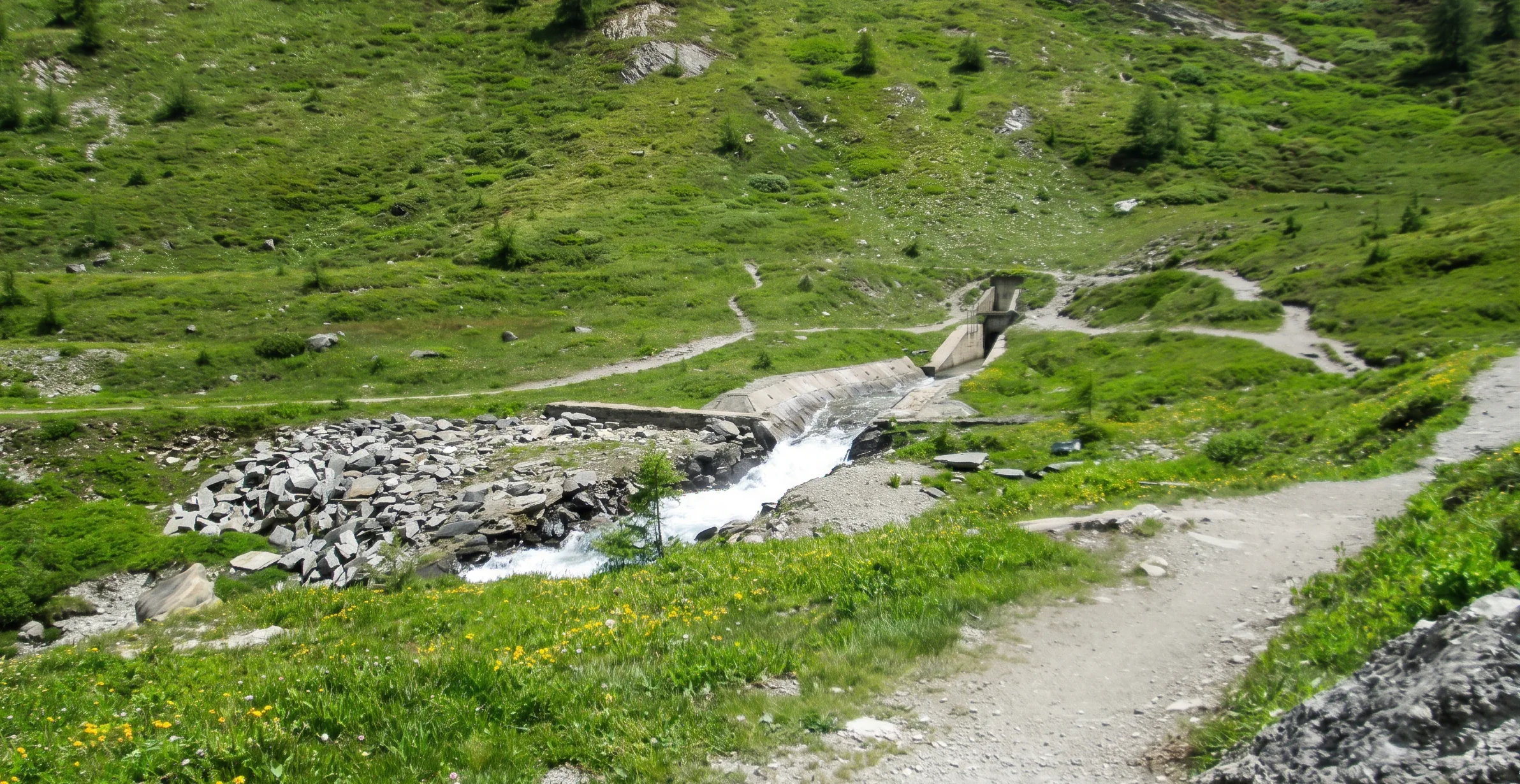
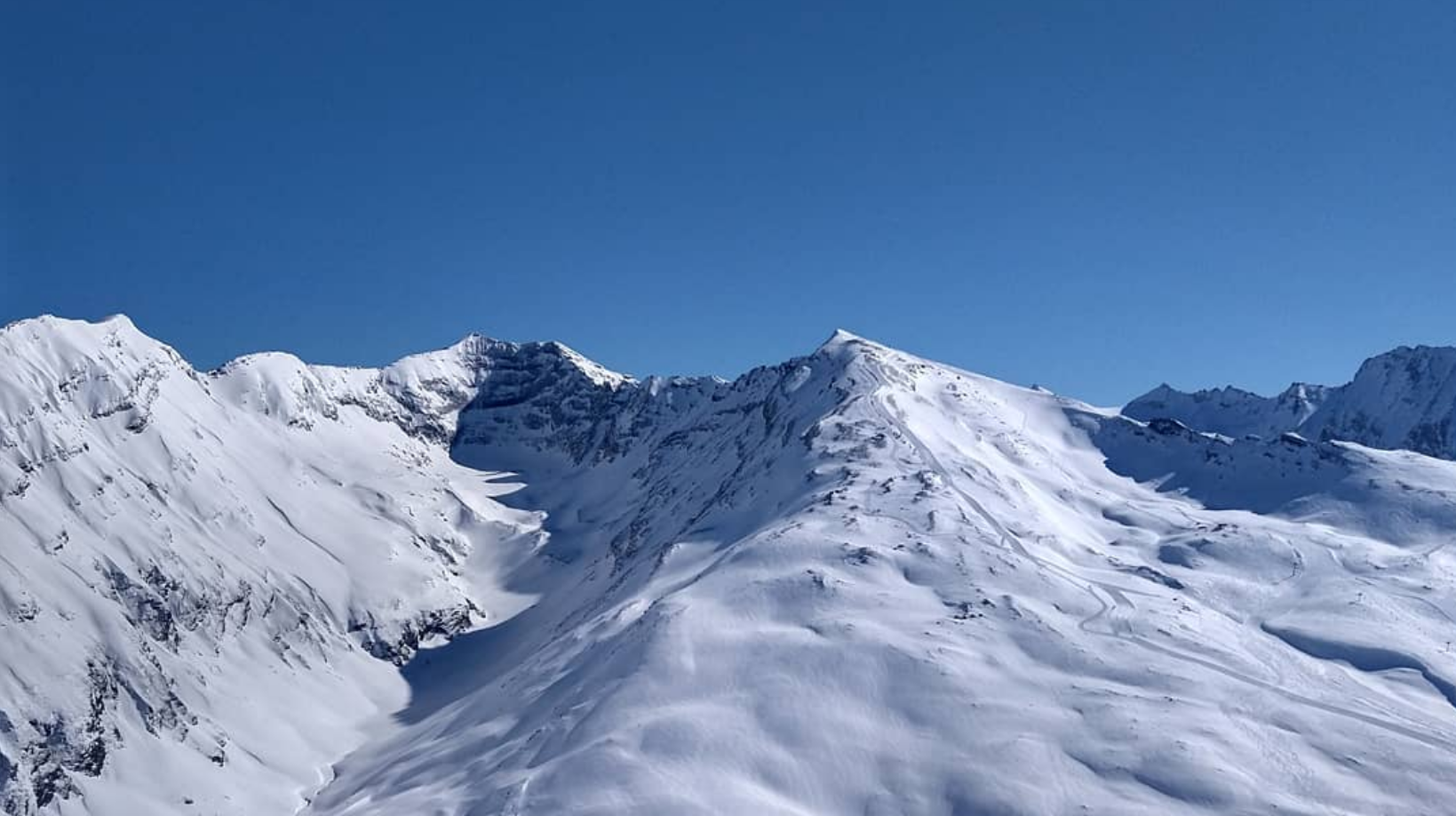
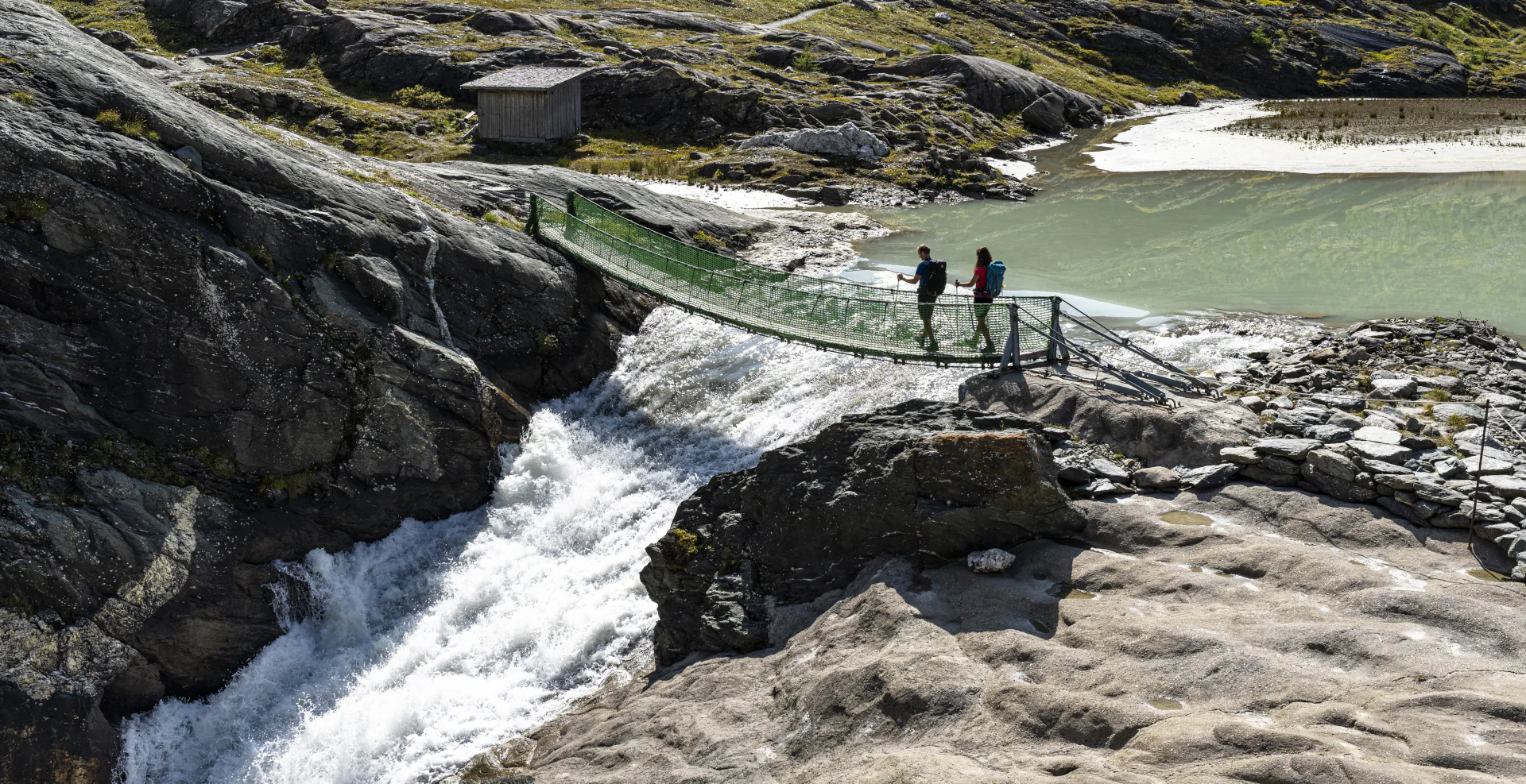
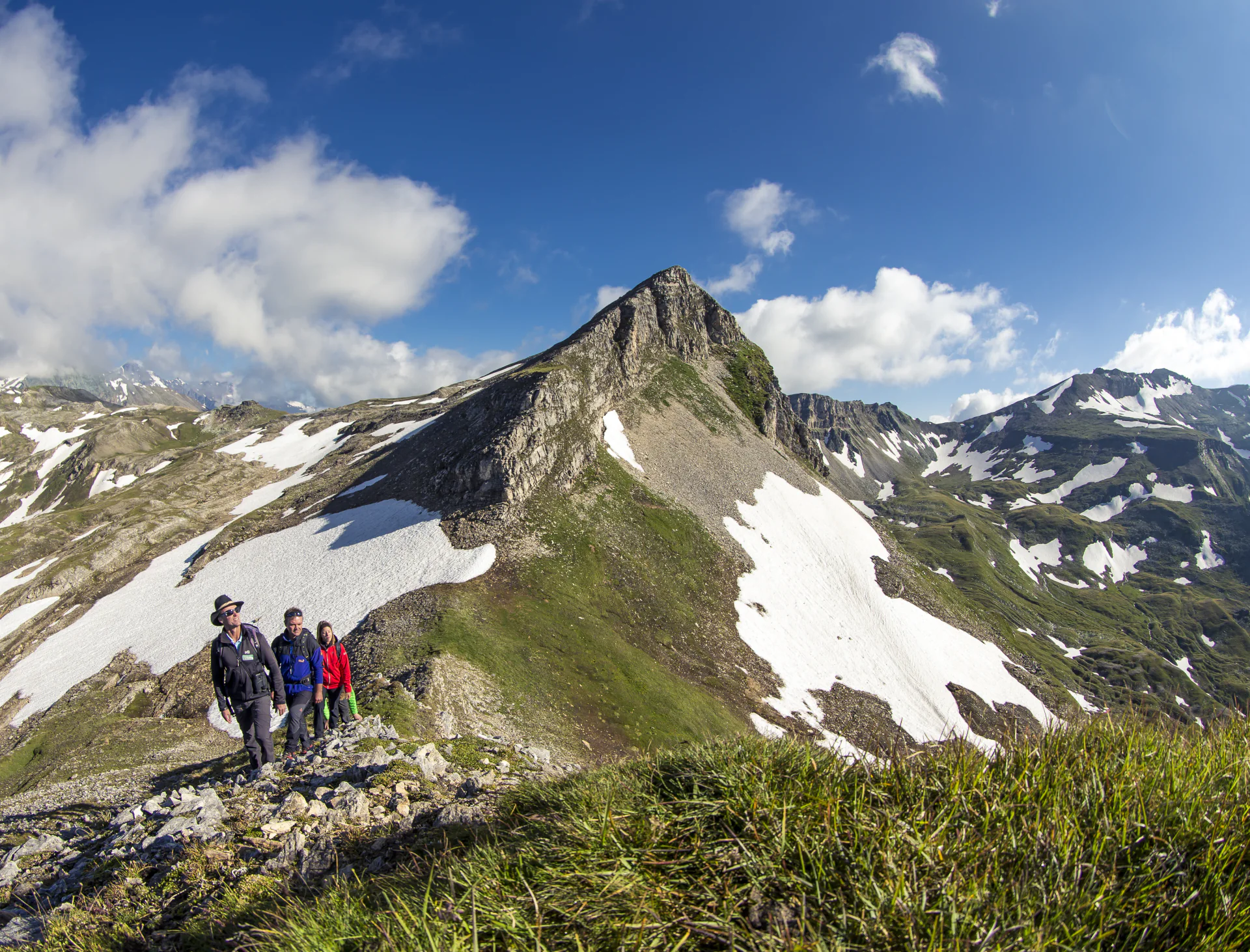
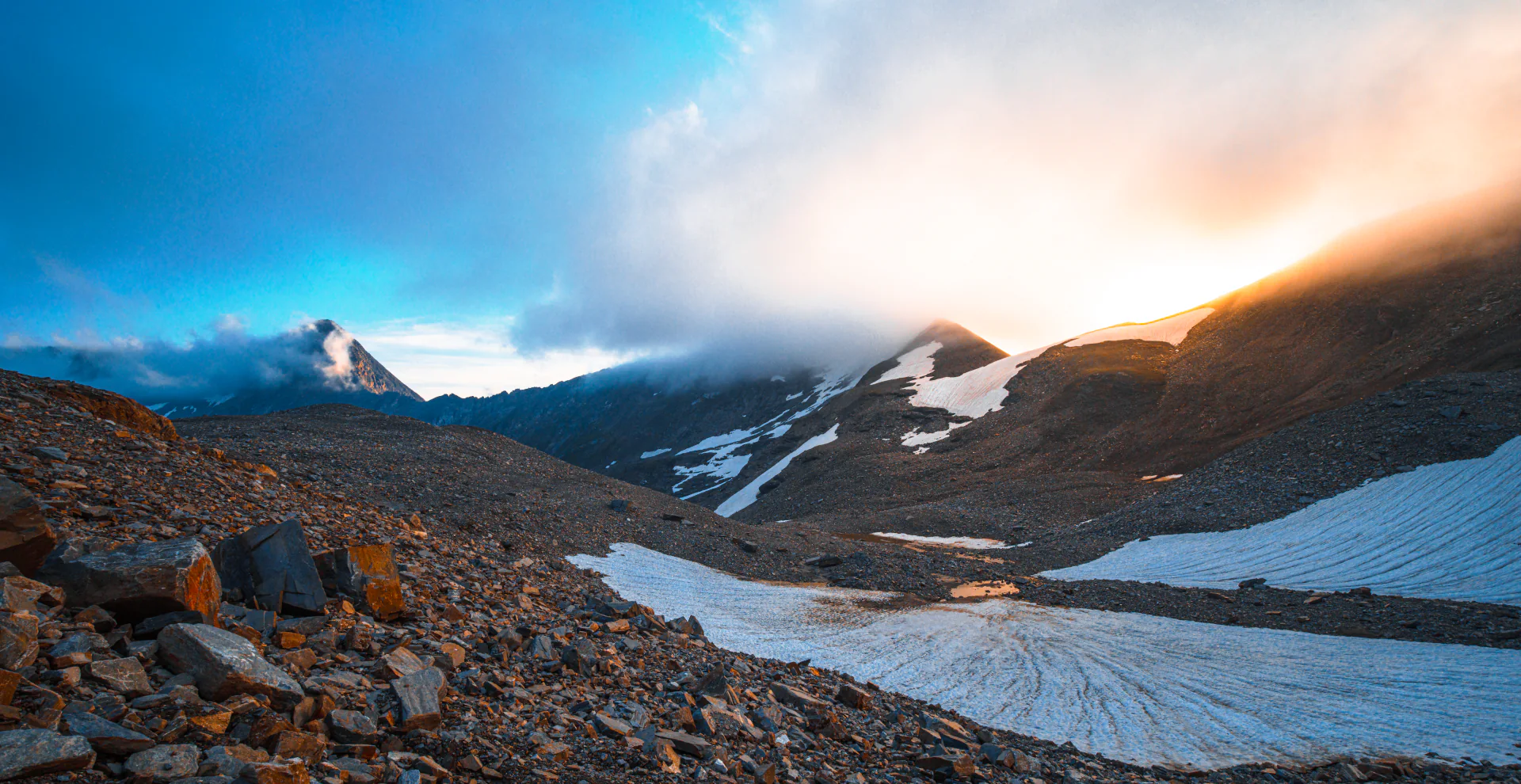
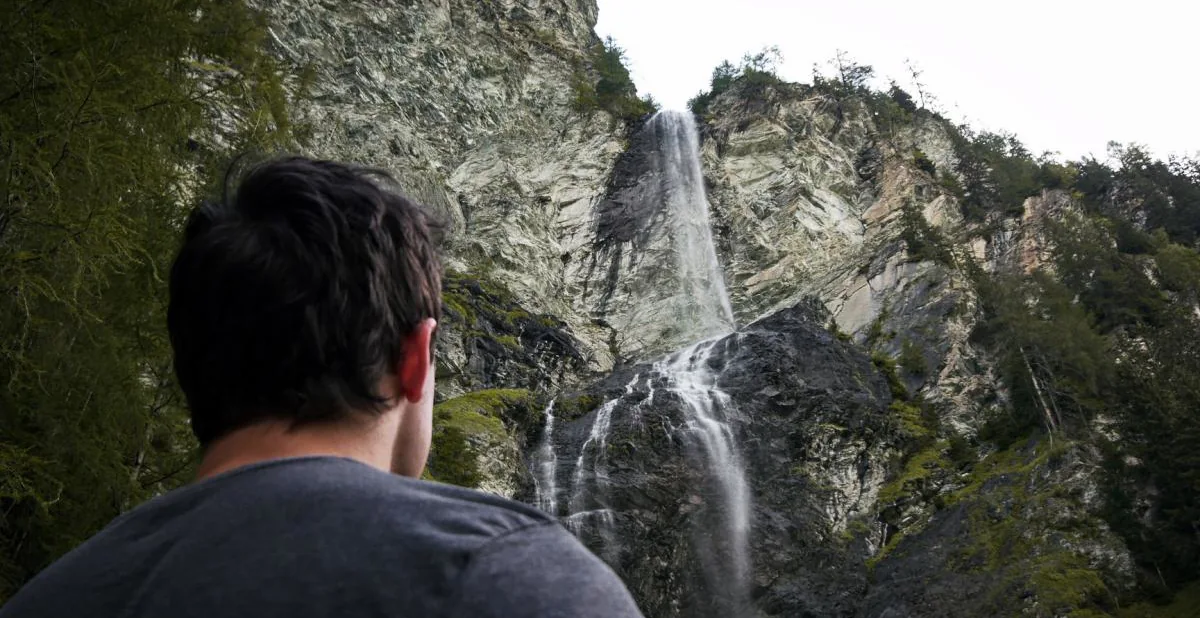
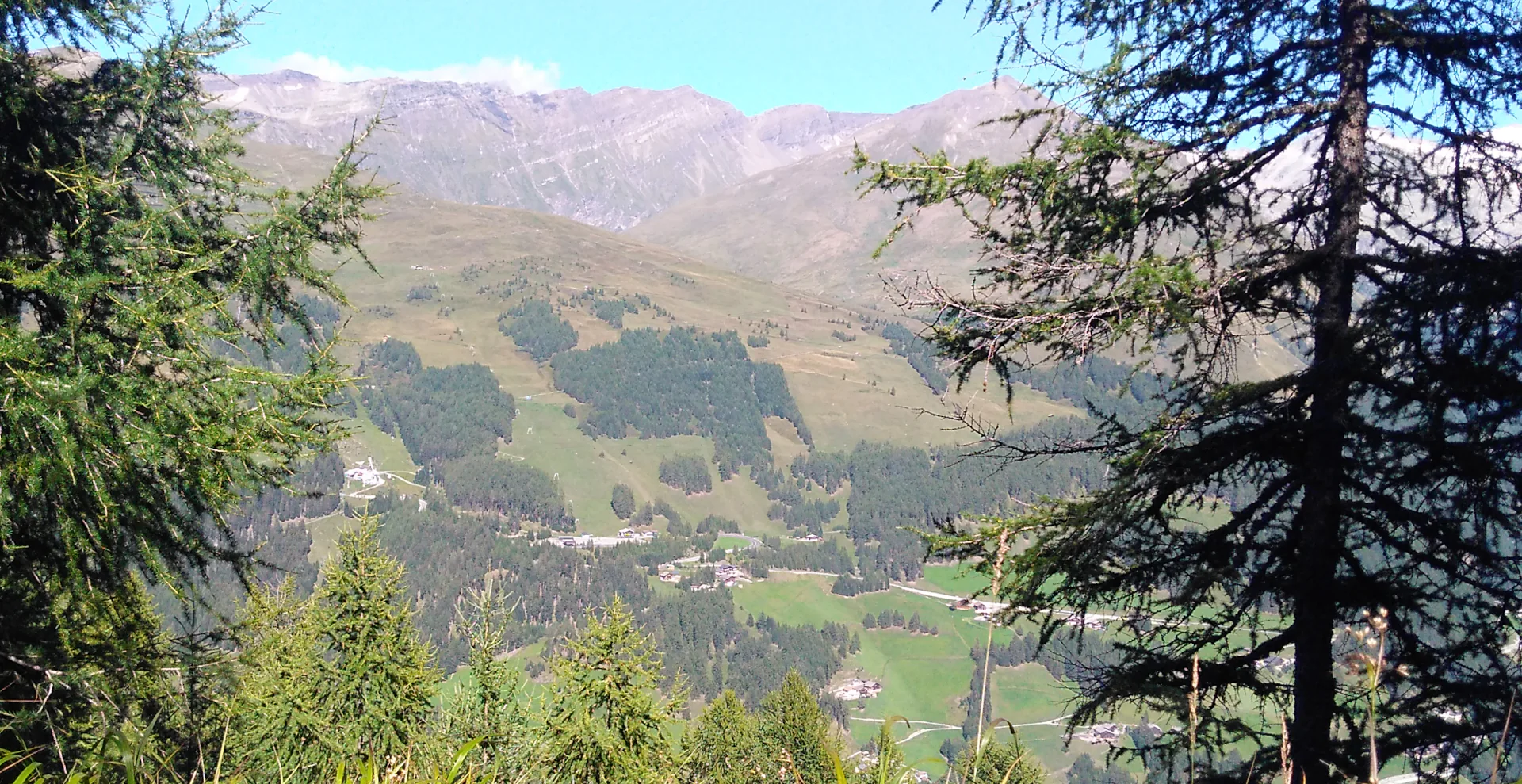
Those seeking complete silence during the day can reach side valleys of the region after relatively short distances: In the Grosse and Kleine Fleiss, in the front Gössnitztal or on the meadow path over the Sattelalpe to the Briccius Chapel, there is no through traffic, but rather open alpine pastures, mountain streams and sparse mountain forests. The nearby Schareck (2,609 m) provides expansive views with a 360-degree panorama of over 40 three-thousand-metre peaks – the unadulterated feeling of alpine freedom right around the corner.
Exactly this feeling of alpine freedom unfolds in the shared experience: Wide slopes without boundaries, the unobstructed view over the valley and a backdrop shaped only by wind and cowbells. The expansive meadow terrain around the huts creates the natural framework for this – here the “Sound of Music” panorama is not an isolated photo stop, but a shared space with room for the entire group.
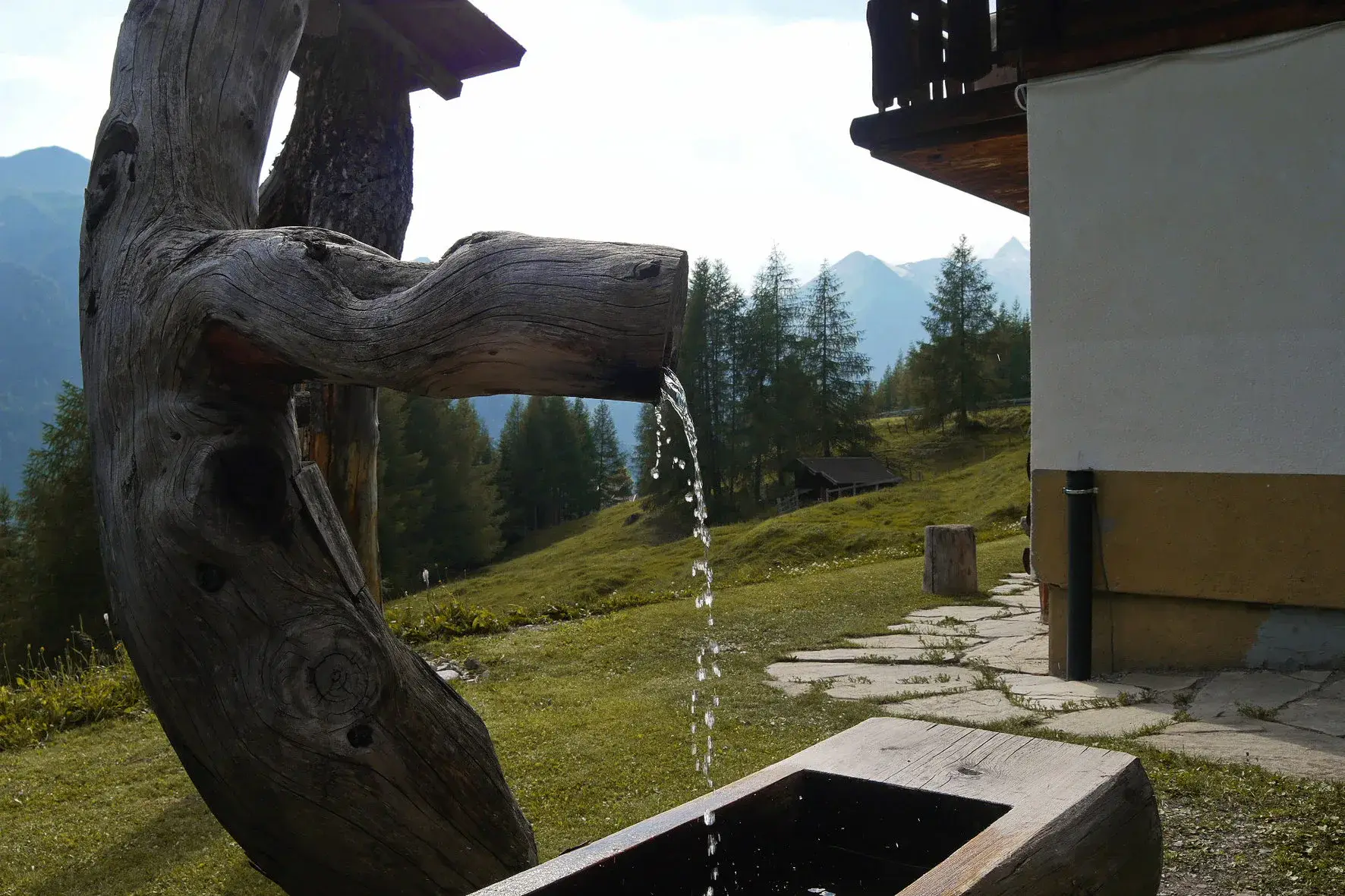
- Wide alpine meadows right by the house: Green mountain slopes, the scent of stone pine and the tinkling of pasture bells right outside the door – the real landscape feeling without artificial staging.
- Convenient connections & own free space: Around 200 to 300 metres from the panoramic road – easily accessible, but with spacious meadow areas for the whole group to sit together.
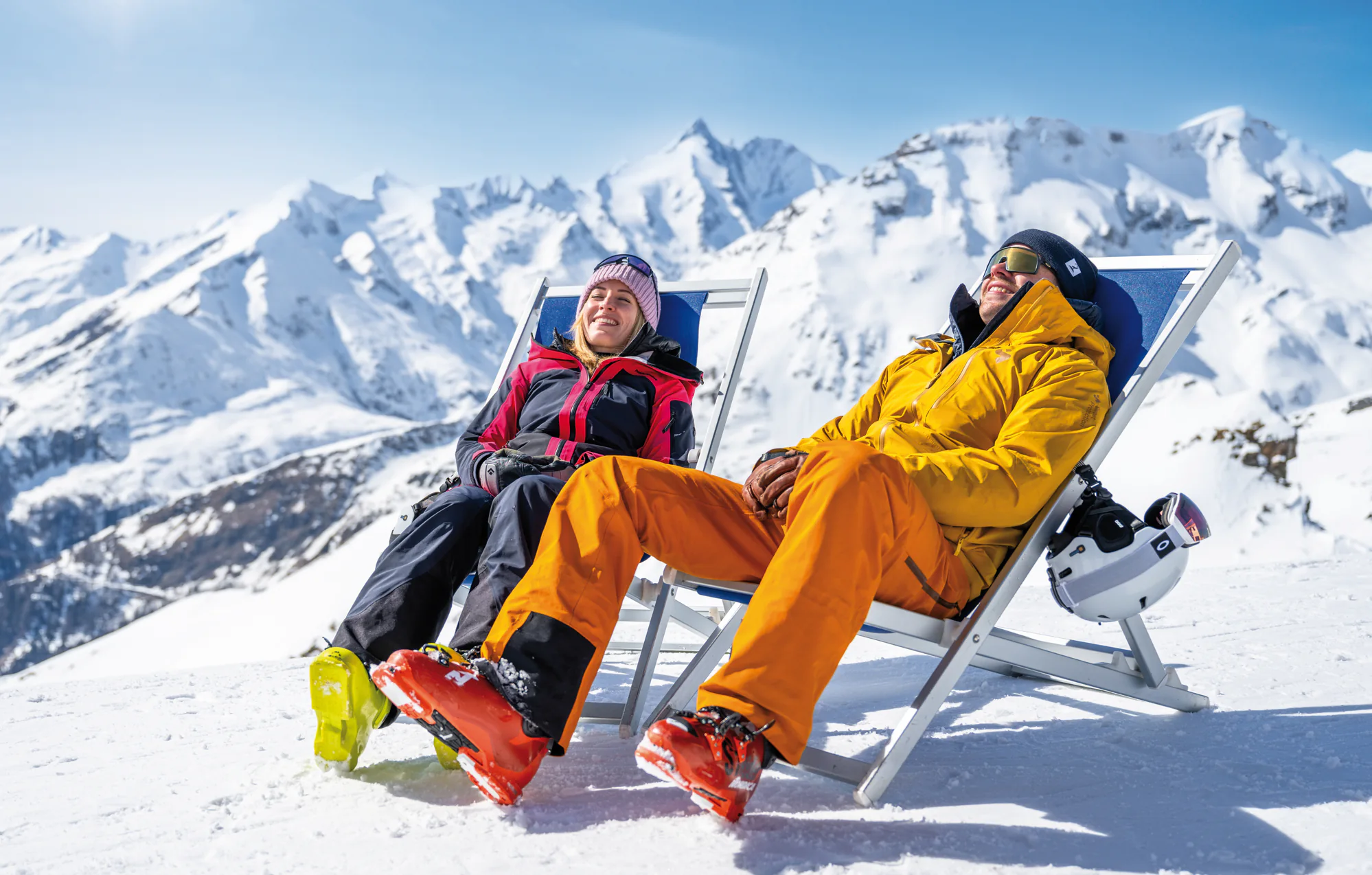
- Quiet evening hours: As soon as the pass traffic dries up in the afternoon, the alpine scenery once again belongs entirely to the guests at the hut.
- Große and Kleine Fleiß: Two pristine high valleys with an old mining tradition and wide pastures away from the main route.
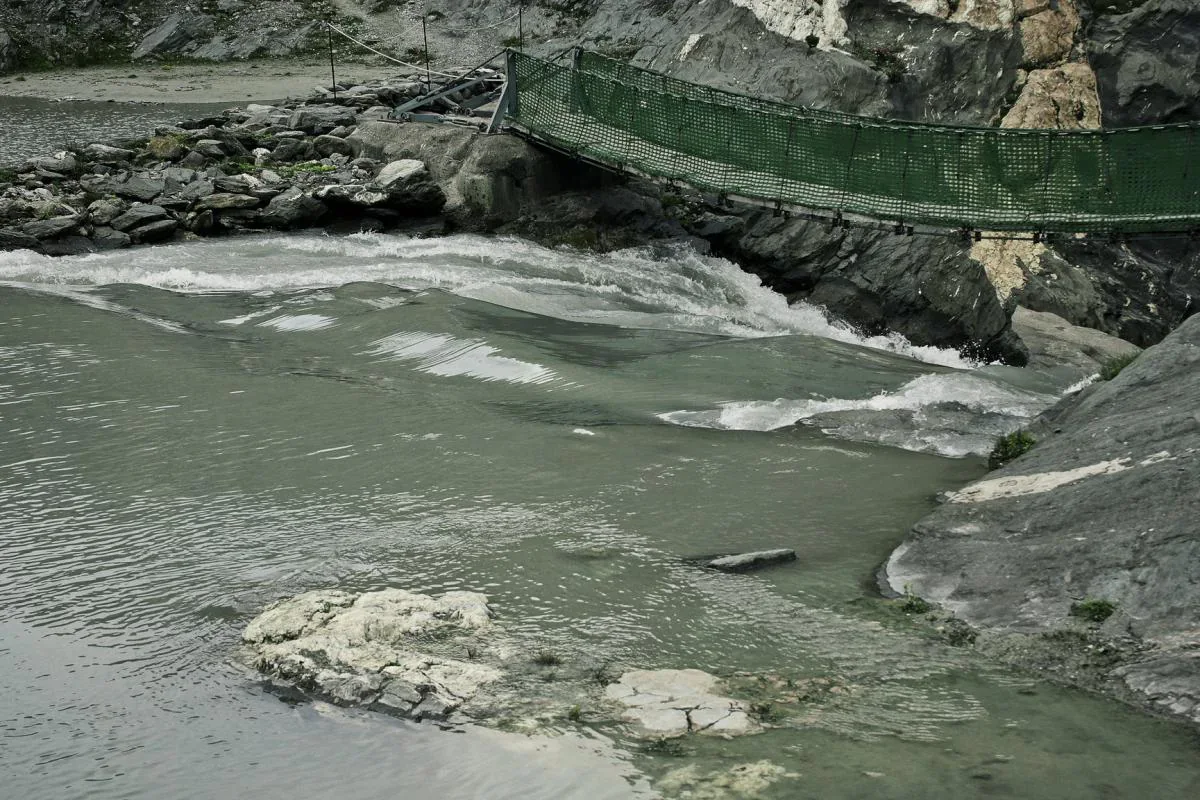
- Vorderes Gößnitztal: Untouched entrance to the national park with clear wild streams, rugged rock faces and dense mountain forests without car traffic.
- Sattelalpe & Briccius Chapel: Unobstructed path over open alpine slopes to the historic pilgrimage chapel with a wide view of the valley.
- Schareck panoramic mountain (2,609 m): Sweeping 360-degree panorama of dozens of three-thousand-metre peaks as a quiet alternative to the viewpoints on the pass road.